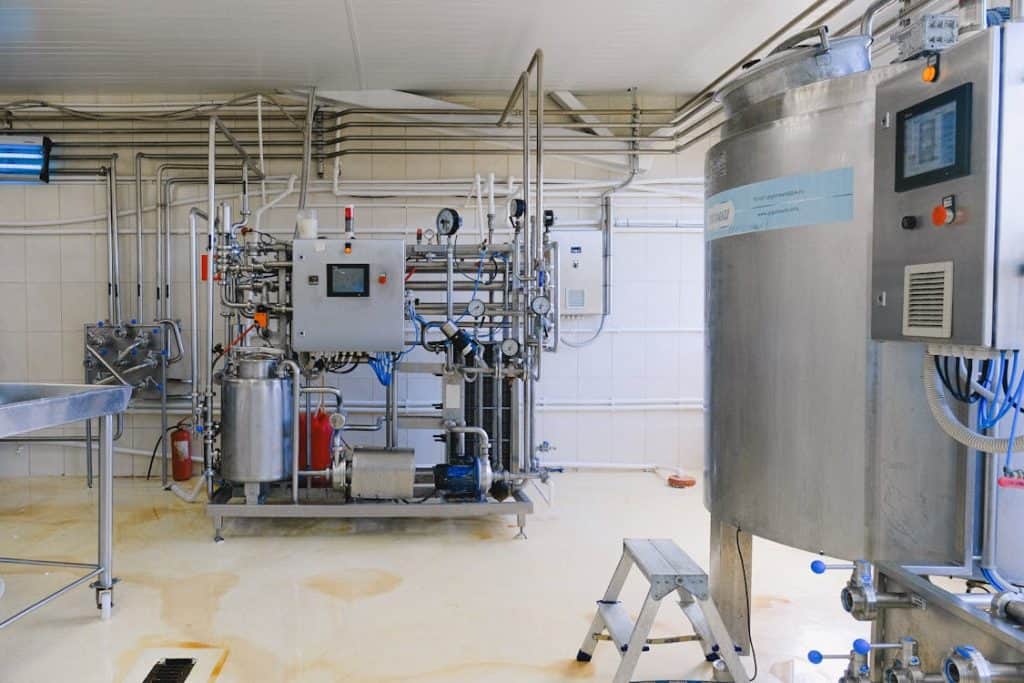
Stainless steel pipes play a central role in food processing by carrying liquids, slurries, steam and air with a low risk of contamination. Their chemical stability and mechanical strength give operators confidence when product safety is on the line.
A good choice of grade, finish and joining method can keep downtime low and product quality high. When selecting systems, engineers balance performance, cost and long term uptime with an eye on cleaning and inspection needs.
Material And Grades
Picking the right grade of stainless steel sets the foundation for safe product flow and long service life in a plant. Common grades such as 304 and 316 offer a trade off between price and resistance to certain chemicals, with 316 typically used where chlorides are present.
Lower carbon variants and stabilized alloys reduce carbide precipitation after welding, which helps preserve corrosion resistance in wet or warm environments. Matching the alloy to process chemistry, temperature and cleaning regimes prevents surprises on the shop floor.
Surface Finish And Cleanability
The internal finish on a pipe affects how easily residues stick and how well cleaning agents can do their job. Smooth finishes with controlled roughness reduce sites where bacteria and deposits can lodge, making clean in place cycles more effective and shorter.
Electropolishing can remove a thin layer and leave a microsmooth surface that resists staining and speeds drying, which cuts down microbial risk. Using ASTM A270 tubing also ensures that surface finishes meet recognized standards for sanitary applications.
Design And Layout
Pipe routing has an outsize impact on flow behavior and maintenance access within a factory building. Gentle bends, proper slopes and minimal dead legs help avoid pockets where product can stagnate and spoil, while keeping maintenance workers able to reach clamps and valves.
Space planning that separates wet lines from electrical runs and provides room for lifting gear reduces ergonomic hazards and speeds repairs. Planning for modular sections lets crews swap components quickly when planned maintenance comes up.
Welding Practices And Joint Integrity
Weld quality is a major determinant of long term hygiene performance for stainless steel piping systems. Smooth, full pen welds that are properly cleaned and passivated prevent crevices from forming and avoid trapping residues at joints.
Skilled welders using appropriate filler metals and controlled heat input help maintain the parent alloy chemistry and minimize sensitization. After welding, careful inspection with visual, dye penetrant or other non destructive methods confirms that joints meet process expectations.
Corrosion Resistance And Passivation
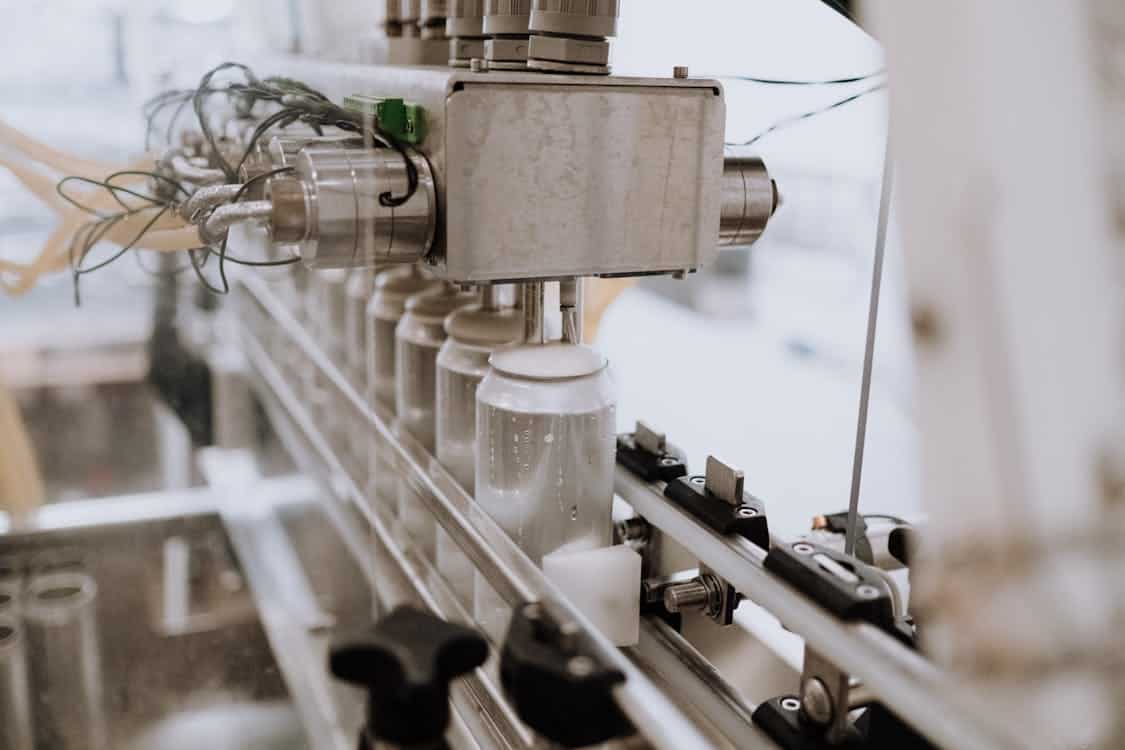
Stainless steel resists corrosion because of a thin chromium oxide layer that forms naturally on the surface and acts as a shield. Maintaining that layer through correct handling, cleaning with the right chemistry and periodic passivation treatments keeps the metal from staining or pitting under process conditions.
Avoiding contact with incompatible substances, like strong acids or free chlorine in high concentrations, preserves appearance and service life. Routine monitoring of surface condition and occasional laboratory testing inform maintenance cycles and chemical usage.
Sanitation Protocols And Cleaning Methods
Effective cleaning is not just about stronger chemicals; it is about method, sequence and contact time that remove soils without harming the metal. Clean in place systems that circulate detergents, hot water and rinse agents through a closed loop cut down on disassembly time and reduce worker exposure to moving parts.
Tailoring temperature and chemical concentrations to the type of food product and residue leads to shorter cycles and less wear on seals and gaskets. Periodic microbiological swabs and ATP testing provide measurable feedback that lines are meeting safety targets.
Regulatory Standards And Traceability
Food plants must comply with a mix of local and international standards that set limits for materials, surface finish and documentation. Keeping mill certificates, welding records and trace numbers linked to installed pipe sections helps when audits or product inquiries happen.
Codes from authorities define acceptable practices for pressure ratings and sanitary design that installers and inspectors will use to certify work. A clear trail from purchase order to installed item reduces friction when proving compliance to customers and regulators.
Cost Analysis And Lifecycle Management
Upfront metal cost is only one part of the total expense when piping is chosen for a process line, because cleaning frequency, downtime for repairs and expected life feed into the math.
Investing a bit more in a higher alloy or better surface finish can cut cleaning time and decrease replacement frequency, producing savings over several cycles of production.
Accounting for energy used during cleaning and the labor cost of inspections paints a realistic picture of long term value. A replacement schedule that ties to measured condition data helps teams plan capital spending with confidence.
Future Trends And Innovation
New approaches to sensor integration and smart monitoring are changing how teams look after piping systems by turning passive metal runs into informed assets. Embedded sensors that track temperature, flow and trace particles can alert operators before a condition turns into a shutdown and can verify that a cleaning cycle reached required parameters.
Materials research continues to refine alloys and surface treatments that resist biofilm formation and reduce the need for harsh chemicals. When changes are incremental and field proven, plants can adopt them without causing too many surprises or long outages.