Timber decking often sparks lively debate among homeowners and builders, and for good reason. It brings a natural touch that few other materials can match while asking for a steady hand when it comes to care.
Many professionals point to long term value that goes beyond the sticker price. The choice is not cut and dried though, so it pays to look at the main angles before signing off on a project.
Durability And Longevity
Good quality timber can last for decades when treated properly and fitted with attention to detail, making it a solid choice for those who want a long term outdoor surface.
Rot resistance and the natural strength of species such as oak, cedar or spotted gum give timber a fighting chance against the elements, and yearly checks keep small problems from growing.
Wear patterns show over time in a way that many owners find appealing rather than alarming, because they tell a story and can be gently restored. If you like surfaces that age with character and can be repaired or refinished, timber often hits the mark.
Aesthetic Appeal And Natural Warmth
Wood has a way of softening lines and making spaces feel more relaxed, and that timeless appeal is why many designers reach for it first. Planks can be laid in patterns that echo traditional craft or in clean modern runs that make a compact yard appear larger, so timber offers real visual flexibility.
The grain and color shift with seasons and light, giving a living texture that synthetic boards struggle to match. For those who want a patio that invites barefoot use and blends with plant life, timber feels like a natural partner.
Maintenance And Upkeep
A clear plan for care keeps timber decks looking good and prevents small faults from turning into expensive repairs, and maintenance need not be a daily grind. Regular sweeping and the occasional wash remove grit that wears the surface, while sanding and oiling every few years restores tone and slip resistance.
If left alone, timber will grey and crack in places, yet many homeowners prefer that lived in look and use simple steps to preserve structural health. Think of upkeep as seasonal chores that keep a favourite piece of furniture in top shape rather than a burden.
Cost Versus Value
Initial outlay for timber can be lower than high grade composites, yet the long term cost picture depends on upkeep choices and local climate impacts.
Replacement of a few boards is often easier and cheaper than replacing entire runs of manufactured decking, and many tradespeople can carry out simple repairs without special tools.
When resale is on the mind, a well kept timber deck often scores well with buyers who value authentic materials and classic styling. Spending a little more on better species and better fastening pays dividends down the road in both looks and performance.
Environmental Footprint
When sourced from certified forests and handled responsibly, timber is a carbon storing material and can be one of the greener options available for outdoor surfaces. The energy used to mill timber is typically lower than the energy used to make many plastic based boards, and at end of life the material breaks down far more naturally.
Look for suppliers who can show chain of custody and avoid species taken from fragile ecosystems to keep the ecological tally on the right side. Working with trusted local providers such as Mornington Timber can also give you clearer insight into sourcing practices and product quality before you commit to a build.
Installation And Design Flexibility
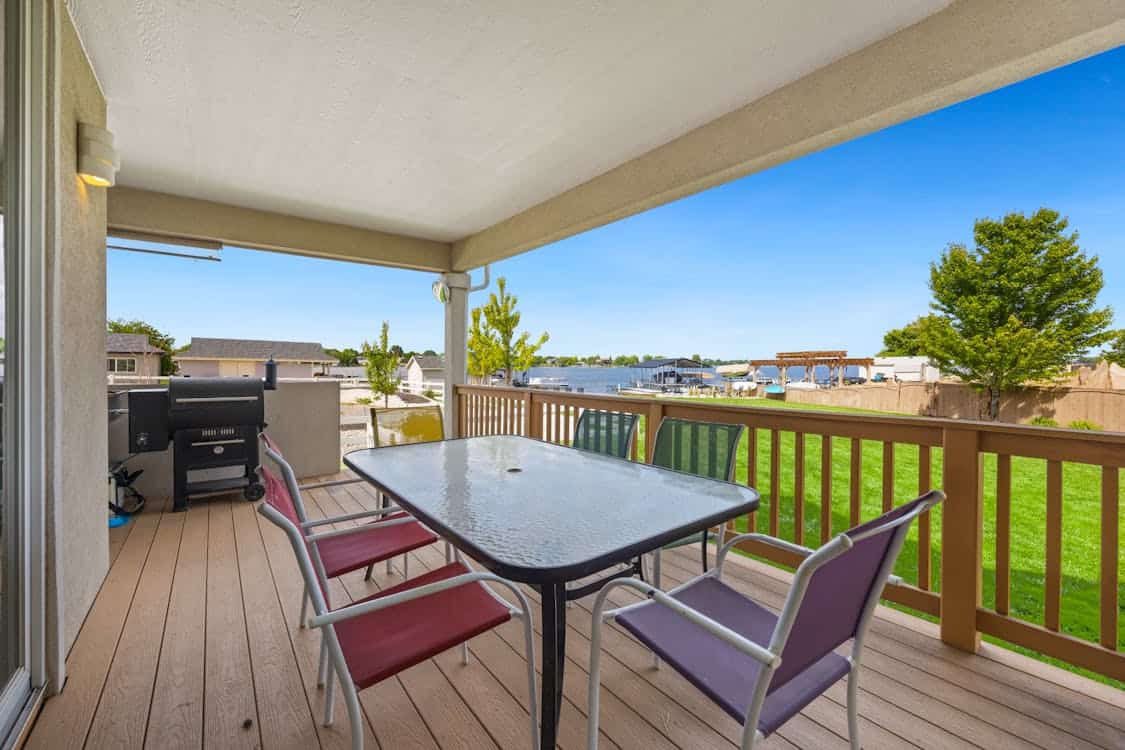
Timber plays well with a range of structures and can be adjusted during installation to solve odd site shapes or slopes, which makes it a handy tool in a builder’s kit.
Plank widths, board lengths and fastening styles give a wide palette for both needs and visual aims, and skilled fitters can mask changes in level or awkward joins.
Timber tolerates on site tweaks better than some rigid manufactured products, so an unexpected twist in plans does not always mean costly rework. For creative yards and tricky plots, that give and take is a genuine advantage.
Safety And Comfort Underfoot
Timber warms quickly in sun and stays fairly forgiving for bare feet, which matters for families with children or elderly people who value traction and comfort. Where splinters are a worry, modern finishing oils and careful sanding remove rough edges and preserve a smooth feel while keeping grip.
Heat retention on very dark or sealed boards can be handled by choosing lighter species or finishes that reflect more light, and spacing boards correctly reduces puddling and slips after rain. Properly installed and maintained wooden decks score highly on both comfort and safe use.
What Experts Say
Professionals who work with timber day after day often praise its reparability and visual authenticity, and many point to the ease with which local craftsmen can adapt timber on site. Architects who like natural materials use timber to tie indoor and outdoor areas together, creating continuity that synthetic boards find hard to match.
Tradespeople also note that timber allows staged projects, so a homeowner can expand a deck in phases while keeping costs manageable. Practical experience tends to favour timber where the buyer values repairable material, aesthetic depth and a direct connection to natural product.