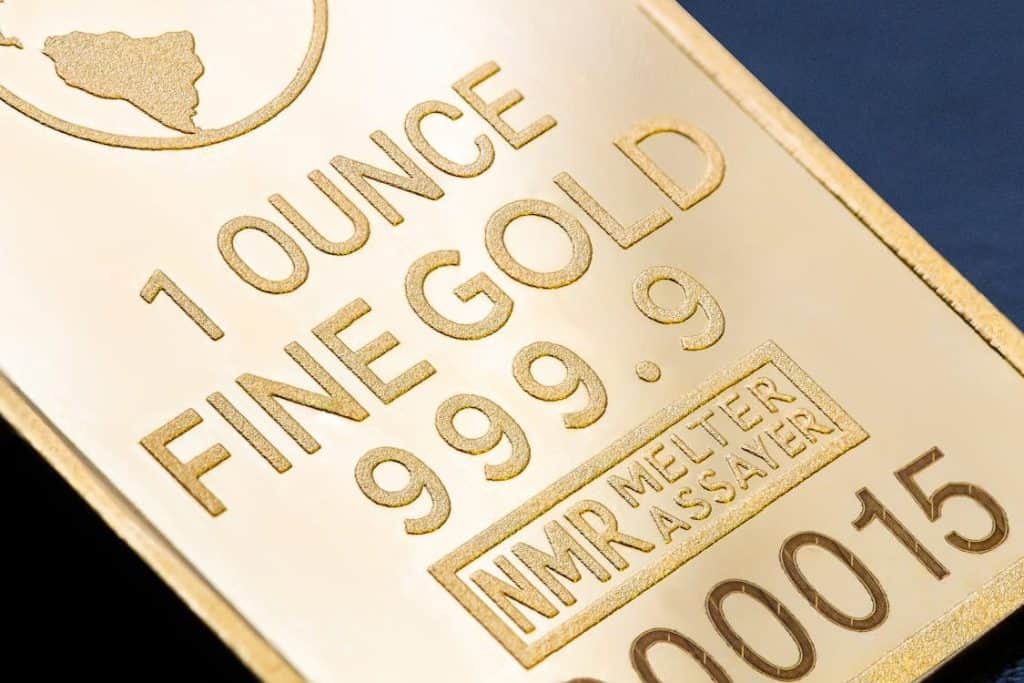
Gold carries a long history of value and ceremony and yet the metal you hold in your palm can vary widely in purity and worth. Knowing how to check karat marks, run simple tests, and read lab reports will help you make smarter choices at a market stall or a high end boutique.
A mix of quick visual checks and a few technical methods will give a clear picture of what you own or plan to buy. With a steady hand and a little know how you can spot red flags and confirm the real thing without breaking the bank.
Hallmarks And Stamps
Hallmarks are tiny stamps pressed into gold items that act like a maker telling the tale of origin and purity. Look for numbers such as 24K, 18K, 14K, or three digit fineness marks like 999, 750 and 585 to see what portion of the metal is pure gold.
Some countries include an assay office symbol or a maker mark that adds another layer of trust when present and legible. Keep in mind that stamps can be faked or worn away on older pieces so use marks as a hint rather than the final word.
Karat And Fineness Explained
Karat measures the ratio of gold to other metals in an alloy and runs from one to twenty four with higher numbers meaning more gold. A twenty four karat piece is nearly pure while eighteen karat means eighteen parts gold and six parts other metals which gives strength and color changes.
Fineness expresses purity out of a thousand so nine hundred ninety nine points to near pure gold while seven hundred fifty equals eighteen karat. Knowing both systems helps when reading international labels and comparing items from different markets.
Acid Testing Methods
Acid tests rely on chemical reactions between nitric acid solutions and the metal surface to reveal purity levels in a quick and low cost way. A small scratch is made on a touchstone then specific acids are applied and the behavior of the mark shows whether it holds up like higher karat metal.
That approach is widely used by jewelers because it is simple and portable but it is not without faults since surface plating and alloys can fool a basic test. Proper technique and fresh reagents improve accuracy though the method still alters the piece slightly and yields an approximation rather than an exact lab grade result.
Electronic Gold Testers
Electronic testers send a tiny electrical signal into the metal and gauge resistivity to estimate gold content in a matter of seconds without eating away at the surface. These devices are handy at stalls and small shops because they require minimal skill and give instant readouts for a range of karat values.
Results can be skewed by heavy alloys, surface coatings and mixed metals in modern jewelry so readings are best paired with visual checks and documentation. For peace of mind many buyers use these meters as a screening tool before seeking higher precision.
X Ray Fluorescence Testing
X Ray Fluorescence machines read the wavelengths emitted by a sample when excited by X rays and produce a precise breakdown of elemental composition with no physical damage. This lab grade approach reveals the share of gold and other metals while often delivering parts per thousand accuracy in minutes.
The equipment is common in professional assay offices and larger pawn shops but access may require an appointment and a fee for the report. When handling high value pieces a written X Ray Fluorescence certificate can mean the difference between a fair price and a costly mistake.
Specific Gravity Test
Specific gravity testing compares the weight of an object in air to its weight when submerged in water to compute density which offers a reliable clue to metal composition. Gold has a distinctive density so when the math is carried out carefully a suspect item will usually stand out if it differs significantly from expected values.
The setup needs a precise scale and calm hands to avoid measurement error and account for curves in hollow pieces or stones that alter readings. Still, for those with patience it is a low cost method that provides objective numbers you can check against karat expectations.
Visual Inspection And Weight
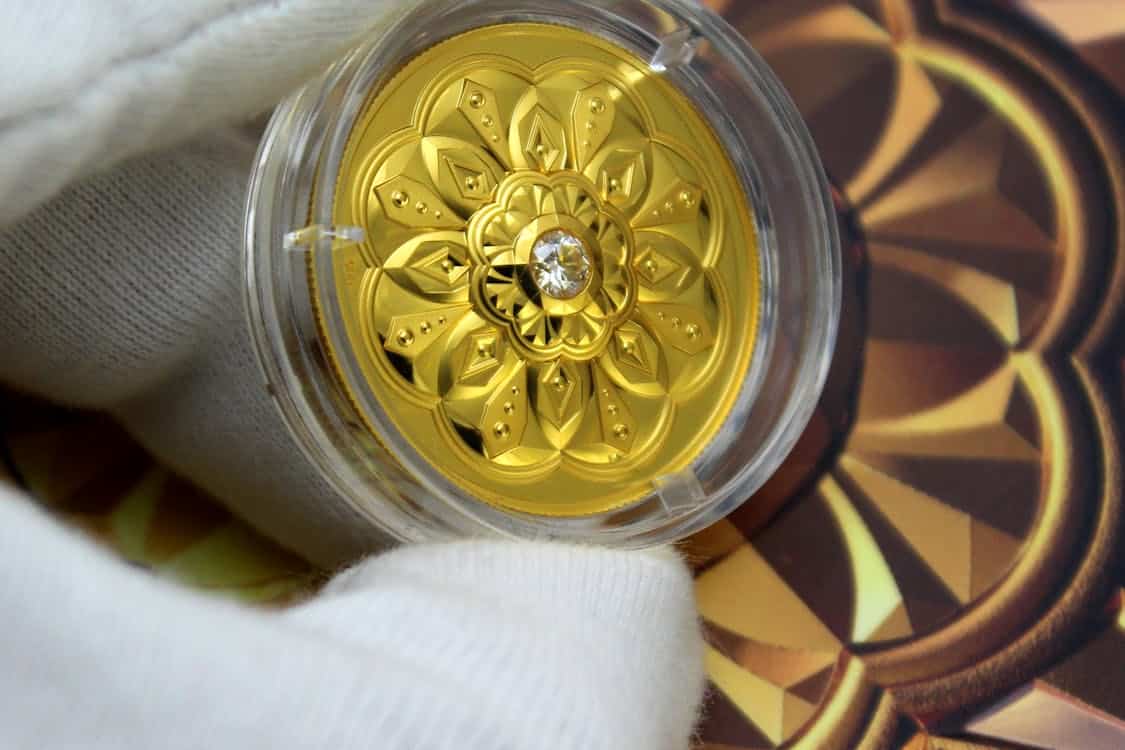
A careful look often catches what a quick meter might miss with cues like edge wear, color inconsistency and uneven stamping telling their own story. Pure gold resists rust and tarnish but gold alloys and plated pieces reveal underlying metals at worn spots and joints which gives away lower purity or finishing tricks.
Heft also matters as gold feels dense for its size and a ring that seems too light is worth a closer look with measurement tools. Inspecting clasps, solder points and inside bands gives practical information that pairs neatly with test results.
Buying From Reputable Sellers
Trustworthy shops display clear pricing, return policies and usually offer certification or official receipts that list karat and weight along with the seller name and date. A merchant who welcomes questions and lets you use a tester or asks for neutral assay work demonstrates confidence while an evasive approach should raise an eyebrow.
To ensure you are getting fair pricing and genuine gold, it’s wise to work with a reputable precious metals buyer and seller who has a strong track record and positive reviews.
Keep records of the purchase and any accompanying paperwork because provenance becomes useful when selling or insuring later on. Building relationships with a few reliable sources over time often beats chasing one off bargains that sound too good to be true.
Assessing Gold Purity In Jewelry
Jewelry often blends metals to achieve color, strength and wear resistance which means what looks like pure gold may be an alloy or a plating that behaves differently over years of use. Terms to watch for include plated, filled and vermeil each of which implies a metal core with a thin layer of gold that will wear and reveal the base metal underneath.
Small lab tests or a second opinion will tell whether a piece is solid gold or a decorative surface and that knowledge changes both care and value. If you intend to wear a piece daily pick alloys that match your lifestyle because not every gold item is built for the same kind of living.
Avoiding Common Scams
Scams range from simple mislabeling to clever swaps where a buyer is handed brass coated in gold and then charged a premium price for a high karat metal. Be cautious with deals that pressure a quick sale or involve cash only because such tactics reduce the chance of verification and return.
Using a combination of hallmark checks, quick tests and receipts makes it harder for a deceitful seller to get away with a trick and gives you leverage during a dispute. When doubt lingers an official assay or X Ray Fluorescence report creates a paper trail that sellers cannot easily argue against.