If you want a quick read on how homeowners are thinking about their backyards, look at what they are actually building. In the latest analysis of outdoor living structures, pergolas led every other category, holding a 34 percent share of the market in 2026, with wood the dominant material.
That single figure reframes a question a lot of homeowners agonize over: pergola or cabana? The market has effectively answered which one most people reach for first, and the reasons say a lot about how the two structures actually differ in practice.
What the Numbers Are Really Measuring
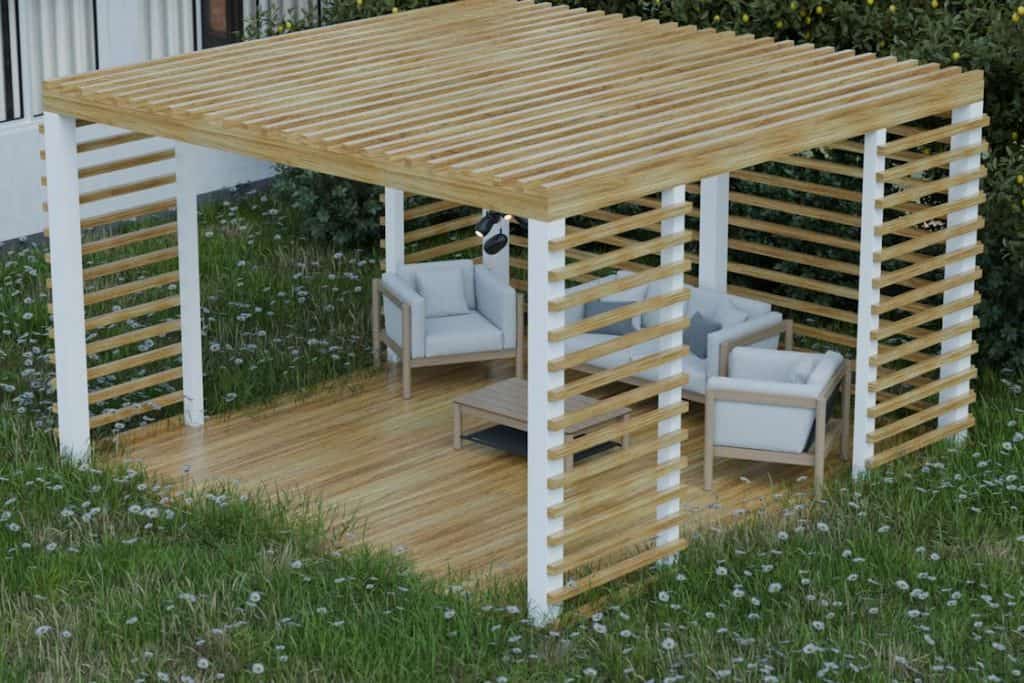
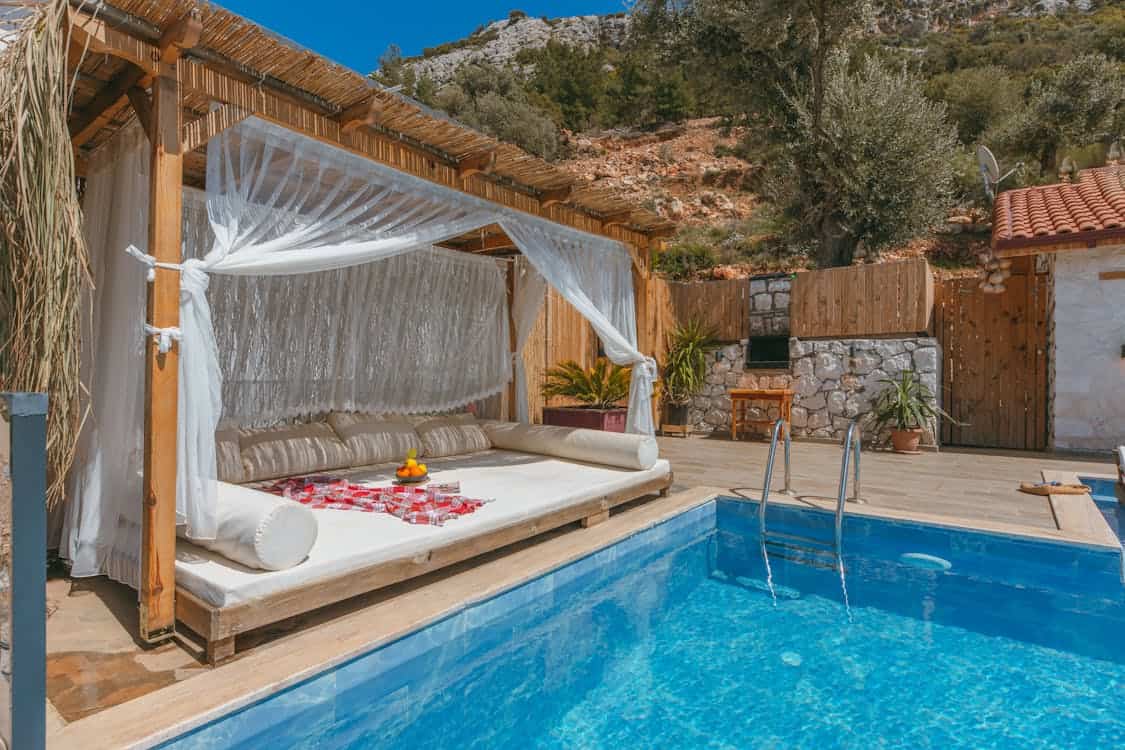
A pergola is an open structure, vertical posts carrying a roof of beams or slats that filters sun rather than blocking it. A cabana is the opposite instinct, an enclosed or semi-enclosed room with a solid roof, usually three walls or curtains, and a front opening. One is about defining an open space. The other is about creating a private one.
The reason pergolas dominate the category is partly that they fit more yards. They do not need side walls, they can be narrow or long, and they keep an area feeling open rather than carved up. In a standard suburban backyard, that flexibility is decisive.
Cost reinforces the gap. A pergola is generally the more budget-friendly project, while a cabana, with its enclosure, solid roof, and frequent electrical or plumbing additions, lands higher. When a structure is cheaper, more adaptable, and easier to site, it naturally wins the larger share.
That wood leads on materials also tracks with how people use these structures. Wood reads warm and classic and blends into planting, which suits the social, garden-adjacent role most pergolas play, even though it asks for more upkeep than aluminum or vinyl.
Where the Cabana Still Wins
Market share is not the same as the right answer for a given yard. The 34 percent figure describes aggregate demand, not your specific lot, and there are clear situations where a cabana is the better structure despite the higher cost.
Privacy is the first. A pergola is open and social by design, which is wonderful for dining and entertaining and useless if what you want is a screened spot to lounge unseen. A cabana, with walls or curtains, delivers that enclosure directly.
Exposure is the second. On a very sunny or windy lot, a pergola offers only partial relief unless you add a canopy or climbing vines, while a cabana provides real shelter from sun, wind, and even rain. Near a pool, the cabana also earns its keep as a place to change, stash towels, and escape the midday glare.
Space is the third. A cabana is more visually dominant and consumes more of the yard, so on a small lot it can overwhelm, whereas a pergola can tuck along a property line without closing the space down. The structure has to match the footprint, not just the wish list.
Read that way, the market share is less a verdict and more a reflection of how most yards are shaped. Most backyards are open, social, and budget-conscious, which is pergola territory. The yards that are large, pool-centric, or privacy-driven keep the cabana relevant.
How to Decide for Your Own Yard
The useful way to use a statistic like this is as a starting prior, not a conclusion. Pergolas lead because they suit the average yard, so if your situation is average, the odds favor a pergola. The work is figuring out whether your yard is average.
Walk through the practical questions in order. How much space can you give up without the yard feeling cramped? Do you want a social, open feature or a private, sheltered one? How exposed is the spot to sun and wind through the day? Is this near a pool? And what is the budget, honestly, including the electrical or canopy add-ons each option tends to invite?
Material choice flows from the same answers. In coastal or high-sun conditions, aluminum resists rust and fading with almost no maintenance, while wood rewards owners willing to reseal it every few years with a warmth aluminum cannot match. For a cabana, durable options like stucco, tile, or treated wood hold up best over decades.
The permitting reality is worth checking early, too. Pergolas often skip a permit if they stay under a certain height and size, while cabanas, being enclosed, are more likely to need one. That single difference can shape the timeline and the budget more than the design itself.
Longevity belongs in the same early conversation, because the cheapest structure to build is not always the cheapest to own. A wood pergola that never gets resealed warps and cracks within a few seasons, while an aluminum one shrugs off the same exposure with little more than an occasional wash. The maintenance you are willing to do is as real a constraint as the budget you start with.
It helps to picture how the space will actually be used across a year, not just on the day it is finished. A structure meant for summer dinners has different demands than one built to shade a poolside lounge or to carry climbing vines into a green canopy. Matching the structure to the lived pattern of the yard is what keeps it from becoming an expensive ornament.
The market has made its preference visible, and there is real signal in a 34 percent share. But the right structure is still the one that matches your lot, your privacy needs, and your budget, which is a decision no aggregate number can make for you.