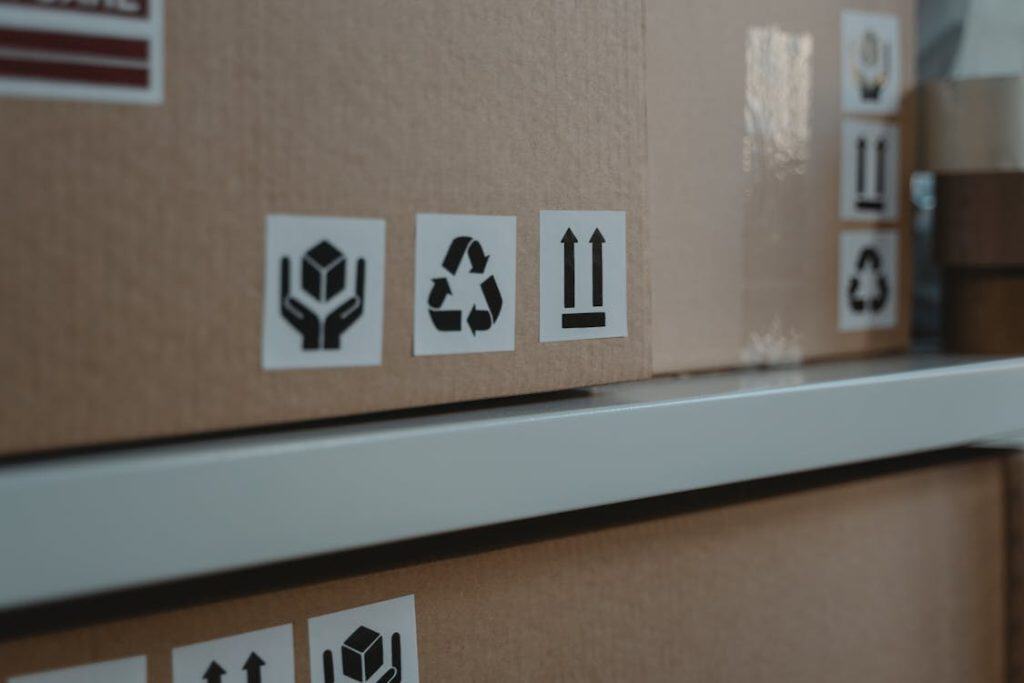
You have seen it on packaging across Australia: a small label telling you which bin each part of the pack belongs in. The Australasian Recycling Label looks modest, but it sits at the centre of a much larger effort to fix a broken system and stamp out misleading green claims.
For businesses, understanding it is becoming part of doing packaging properly.
Cutting Through the Confusion
Recycling in Australia has long been plagued by confusion. Rules vary by council, packaging mixes materials, and well-meaning people put the wrong things in the wrong bins, contaminating the recycling stream.
The Australasian Recycling Label was developed by the packaging covenant with partners to give clear, evidence-based, on-pack instructions for each component of a package. It tells consumers exactly what to recycle, what to bin, and what needs special handling.
Behind the label sits a standardised system that assesses how a given piece of packaging will actually behave in Australian and New Zealand recovery systems, accounting for material, shape, size and weight. The label is only as good as that underlying assessment.
Better labelling has been identified as crucial to lifting the country’s recycling performance, which has fallen short of national targets, particularly for plastics.
The Anti-Greenwashing Angle
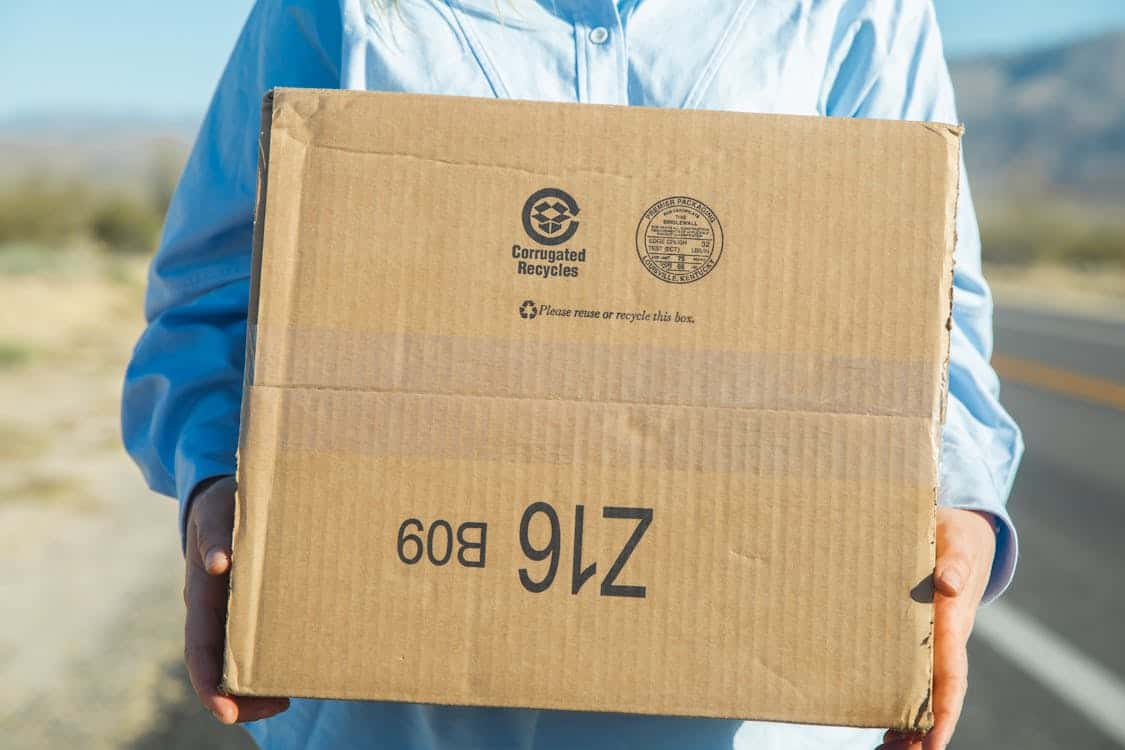
The label also functions as an accountability mechanism. Vague claims like recyclable or eco-friendly have been widely criticised as greenwashing, and regulators have grown increasingly hostile to unsubstantiated environmental marketing.
An evidence-based label is harder to fudge than a marketing slogan. It pushes brands toward materials that genuinely recover well, because the assessment exposes packaging that does not.
For businesses, this is where accurate labelling and good material choices intersect. Working with a supplier offering a range of custom packaging that is designed to be recyclable, and labelled honestly, protects against both consumer distrust and regulatory scrutiny.
Why Honesty Pays
Consumers have become sceptical of green claims, and rightly so. A clear, accurate disposal label builds the kind of trust that vague sustainability language has squandered.
It also reduces practical harm. Correct labelling means less contamination of recycling streams, which makes the whole system work better and keeps more material out of landfill.
The trend is unmistakably toward more transparency and accountability in packaging claims, not less, with growing support for making accurate labelling and producer responsibility mandatory.
The little label is a small thing carrying a big load. For businesses, treating it as a genuine commitment rather than a box to tick is increasingly both the ethical choice and the commercially smart one.