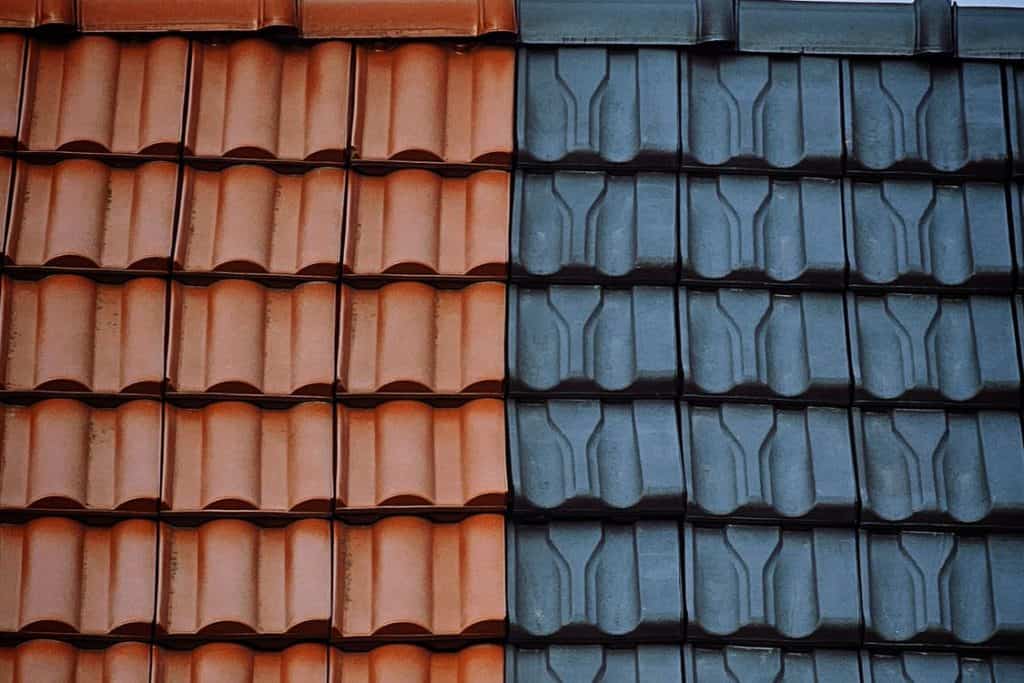
Austin roof-replacement budgets in 2026 are exposed to the same material-cost pressures affecting the broader construction industry. The effect is not limited to shingles themselves: flashing, fasteners, vents, decking, freight, and other components can all move a finished roofing quote.
Asphalt shingles are petroleum-based products reinforced with fiberglass mat and mineral granules, but the fasteners, flashing, vents, and drip edge that complete a roofing system rely heavily on steel and aluminum. Those two metals have been squarely in the path of 2026’s tariff actions.
Resin and asphalt feedstock prices add another layer of exposure, since both track global oil markets with volatility independent of tariff policy. When metal tariffs and feedstock swings move in the same direction during the same quarter, the combined effect on a finished shingle system shows up fast in contractor bids.
The Specific Tariff Actions Reshaping Material Costs This Year
A Section 232 tariff on steel and aluminum imports, set at 50 percent, has remained in effect through 2026 and applies broadly across construction-grade metal products. The National Association of Home Builders has also tracked a separate escalation in Canadian softwood lumber duties, where combined antidumping and countervailing measures plus a new Section 232 lumber tariff pushed some import costs up by roughly 45% overall.
A separate global tariff, a 10 percent baseline levy authorized under Section 122 of the Trade Act of 1974, took effect in early 2026 following a Supreme Court ruling on the underlying trade authority. That measure broadened tariff exposure across even more imported components used in residential construction, roofing included.
Roofing doesn’t use lumber the way framing does, but decking replacement during a full tear-off draws from the same lumber supply chain, so the increase still reaches roofing project budgets indirectly. Combined with metal tariffs on flashing, fasteners, and vent components, the net effect on a full roof replacement has been measurable, not marginal.
Freight costs add a further layer on top of raw material pricing. Shipping surcharges tied to fuel prices and carrier capacity constraints have made the landed cost of a shingle pallet less predictable than it was even a few years ago, complicating how contractors quote jobs scheduled weeks or months out.
NAHB’s builder survey work also found that recent tariff actions have added an estimated $10,900 in cost to the average new home, a figure that captures the cumulative effect across every tariffed material category rather than roofing alone. Remodeling and replacement projects absorb a proportional share of that pressure.
Building material costs overall have climbed roughly 40 percent since December 2020, according to the same NAHB tracking, a baseline increase that predates this year’s specific tariff actions but sets the floor from which 2026’s additional increases are measured. Roofing contractors call it a compounding effect rather than a series of isolated shocks.
Why Roofing Quotes Can Change Even When Shingles Are Not the Main Tariff Target
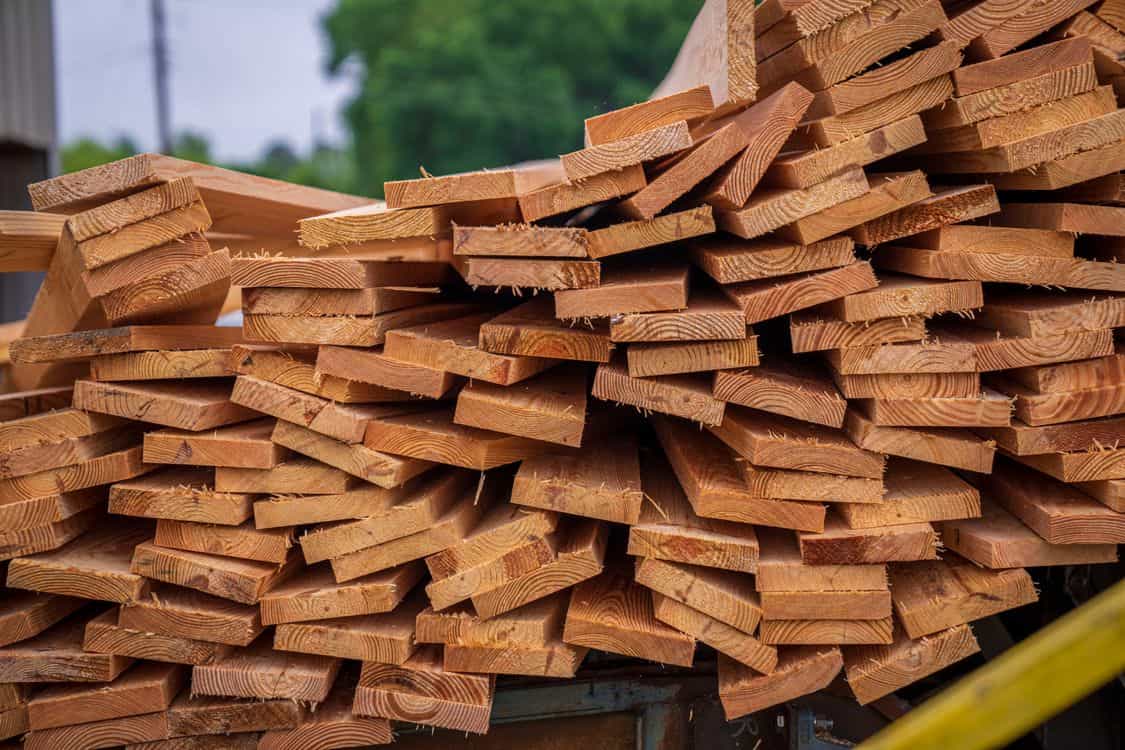
A roofing system is assembled from several material categories, so a cost increase in metal components, lumber used for decking, freight, or petroleum-based inputs can raise the installed price even when the shingle line itself is unchanged. For anyone budgeting an Austin roof replacement, those line-item details matter more than trying to predict whether tariff policy will move up or down next quarter.
That makes long lead times important. A quote prepared months before installation may be exposed to supplier price changes before materials are actually ordered.
Contractors handle that risk in different ways. Some hold pricing for a stated period, some reprice materials after a quote expires, and some purchase common products in advance. Homeowners should read the quote’s validity period instead of assuming every bid remains fixed indefinitely.
The practical comparison is therefore not just the headline price. It is also what the contractor has included, how long the price is valid, whether decking replacement is an allowance or a fixed amount, and how material changes are handled in the contract.
How Higher Material Costs Change the Repair-or-Replace Decision
Higher replacement costs can make a repair look more attractive when the damage is genuinely limited. That does not make repair the better choice automatically; the roof’s age, remaining service life, decking condition, and extent of damage still control the decision.
The opposite can also be true for an older roof. If replacement is already likely within a short period, delaying solely in hopes of lower material prices can mean paying for an interim repair and then replacing the system anyway.
Financing can spread the cash cost of a replacement, but it does not reduce the project price. Homeowners comparing payment plans should look at interest, fees, prepayment terms, and the total amount repaid rather than focusing only on the monthly payment.
Future pricing depends on trade policy, commodity costs, freight, and local demand, none of which is guaranteed to move in one direction. The safer planning assumption is to compare current written bids and build a contingency for decking or other hidden conditions discovered during tear-off.