
Australian advertisers spent a record $19.8 billion online in FY26. Search took the largest share, video grew faster, and smaller businesses helped drive the increase. Meanwhile, MYOB’s trading data showed SMEs facing softer consumer demand and higher bills.
The advertising industry and its customers can have very different years.
IAB Australia’s report, released on 31 August, says internet advertising expenditure reached $19.8 billion, up 14%. It was the strongest financial-year growth since FY22. Search accounted for 43% of expenditure, retaining its lead despite faster growth elsewhere.
IAB Australia chief executive Gai Le Roy identified smaller businesses, retailers and overseas advertisers targeting Australians among the sources of new investment. She described more continuous advertising, with campaigns running beyond the traditional seasonal peaks.
The spending boom also leaves agencies such as Scalepoint with two different sets of figures to interpret: platform revenues and clients’ trading results. A business can contribute more to the first while struggling with the second. If additional sales carry thinner margins, a campaign may increase turnover without improving the owner’s cash position. Industry growth offers no answer about whether that extra spending was worthwhile.
Search takes $8.6 billion, while video closes some of the gap
Search advertising grew 13.2% to $8.6 billion. Video rose 18.8% to $5.9 billion, including $2.4 billion spent on social video, which grew 29.5%.
For a repair business, search can reach someone who already needs a provider. Video can show a product or service to someone who hasn’t started comparing suppliers. These purchases enter the same industry revenue total despite doing different jobs for the advertiser.
And a larger total doesn’t necessarily mean every business paid more per click. More advertisers, additional inventory and changes in the campaign mix can all increase expenditure. The report doesn’t isolate click-price changes for an electrician in one Melbourne suburb or a retailer selling a particular product.
A local operator also has a ceiling on useful demand. An emergency service needs enquiries from addresses its team can reach. A national retailer can accept orders from a much larger territory. Increasing either firm’s spending without accounting for that difference could buy traffic the business can’t profitably serve.
The report is compiled by PwC Australia using data from media owners, publishers and advertising platforms. It records money received by the advertising industry. To find out what advertisers received in return, it is necessary to look beyond the expenditure figures.
The $152 billion revenue estimate measures something else
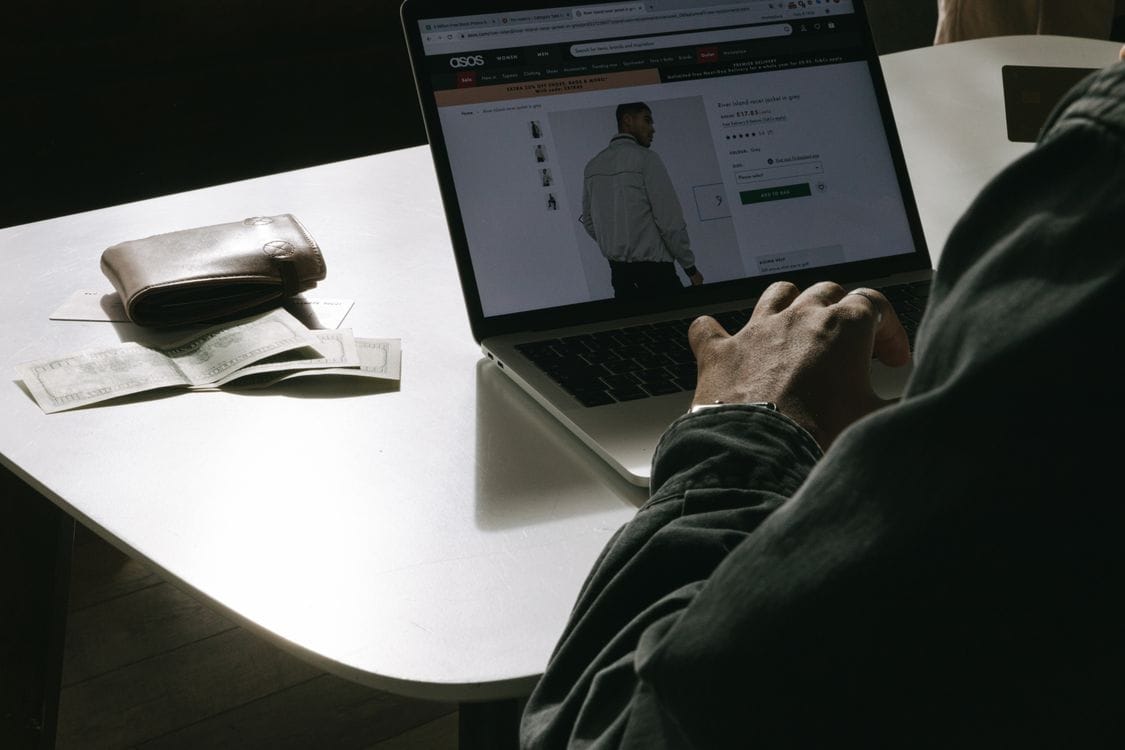
A separate Google-funded NexTrade study estimated that online advertising generates $152 billion in annual revenue for Australian SMEs. Inside Small Business reported the findings in March, including a projection of $231 billion with wider adoption and stronger capabilities. The study surveyed 1,100 businesses.
It would be tempting to put that revenue estimate beside IAB’s spending figure and calculate a national return. The samples are different. So are the methods: platform and publisher revenue on one side, estimated SME revenue associated with advertising on the other.
There is also a gap between a sale and the profit it leaves. A business must still pay for the labour, stock and other inputs required to fulfil an order. Advertising can increase turnover while doing little to ease a cash shortage if those costs absorb the additional income.
NexTrade describes the project as a Google–NexTrade report intended to support policies and programmes encouraging SME use of online advertising. The commercial interest is explicit. Its findings are part of the evidence for expanding adoption, rather than an independent guarantee of what a new advertiser will earn.
The participating businesses also reported constraints. According to Inside Small Business, 90% cited limited budgets as a barrier, while 83% said they lacked the internal tools or expertise to get the most from online advertising. Buying access to a channel and knowing how to assess the purchase are separate expenses for a small firm.
Trading data explains why owners remain cautious
MYOB’s June release drew on anonymised records from more than 200,000 Australian SMEs. Activity increased 0.6% over the March quarter and 4.1% over the year, but growth weakened towards the quarter’s end.
Businesses were contending with softer consumer spending, higher borrowing costs and increases in wages, insurance, utilities and supply-chain expenses. Property services, professional services and mining performed relatively strongly. Retail, hospitality and health faced harder conditions as households concentrated on essentials.
An advertiser in one of those weaker sectors may spend more simply to maintain sales. Another may be opening a new market, while a third is replacing customers who have cut purchases. All three increase advertising expenditure, but only their own sales and cost records show whether their position improved.
The pressure can arrive before a campaign has much room to adjust. A restaurant has to staff the service it promotes; a contractor needs labour and materials for the work it wins. Additional bookings create commitments as well as revenue.
Automation offers to reduce some of the work involved in running campaigns. Yet confidence in using the tools is uneven. In auDA’s 2026 Digital Lives research, which included 408 small businesses, 69% considered AI skills important to their business and 29% rated their own capability highly.
That leaves a substantial skills gap among the businesses expected to make use of automated advertising. The tool can launch a campaign; someone still has to check whether the resulting orders cover fulfilment costs, agency fees and the next month’s advertising bill.