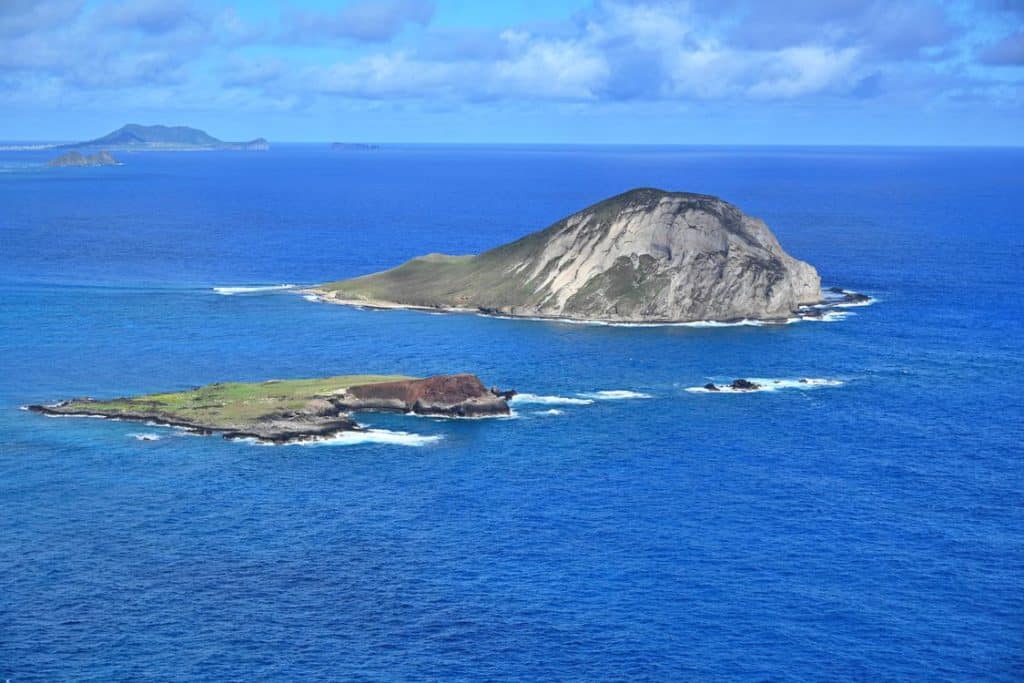
For years, the deaths puzzled everyone who looked at them. A snorkeler is found floating motionless in calm, shallow water, often within sight of shore, sometimes only minutes after fanning out from the boat. No struggle. No big surf. No obvious cause. Lifeguards and medical examiners in Hawaii saw the same pattern repeat often enough that it earned a quiet nickname among the people who responded to it: the mysterious drownings. The phrase stuck precisely because nobody could explain them.
That has started to change, and the explanation matters for anyone planning to get in the water on the Big Island. A long-running Hawaii study has pulled these incidents apart using physiology, autopsy records, equipment testing, and interviews with people who survived a near-drowning. What it found reframes snorkeling from a gentle, low-stakes activity into something that deserves real respect, especially for visitors stepping off a plane and onto a reef within a day or two of landing.
The Quiet Drowning Nobody Was Looking For
The central finding has a clinical name, Rapid Onset Pulmonary Edema, usually shortened to ROPE. The concept underneath it is not complicated. A snorkel is a narrow tube, and pulling air through a narrow tube against the pressure of surrounding water creates negative pressure inside the chest. When that pressure is strong enough and lasts long enough, fluid floods into the lungs. Oxygen levels crash. The whole thing can unfold in a matter of minutes, and the person experiencing it does not thrash or scream. They quietly run out of oxygen.
This is a fundamentally different event from the drowning most people picture. Classic drowning involves inhaling water, panic, and visible distress. ROPE does not require inhaling water at all. It is a respiratory failure triggered by the act of snorkeling itself, and its progression is fast and silent. That silence is exactly why so many of these cases went unexplained for so long. There was nothing to see.
The research also sharpened the picture of who is most exposed. Older snorkelers are far more likely to develop the condition, men more than women, and people with underlying cardiovascular issues most of all, including a heart condition that frequently goes undiagnosed until after an incident. None of that describes an extreme athlete taking a foolish risk. It describes a large share of the ordinary tourists who come to Hawaii every year specifically to try snorkeling for the first time.
Why Visitors Carry More of the Risk
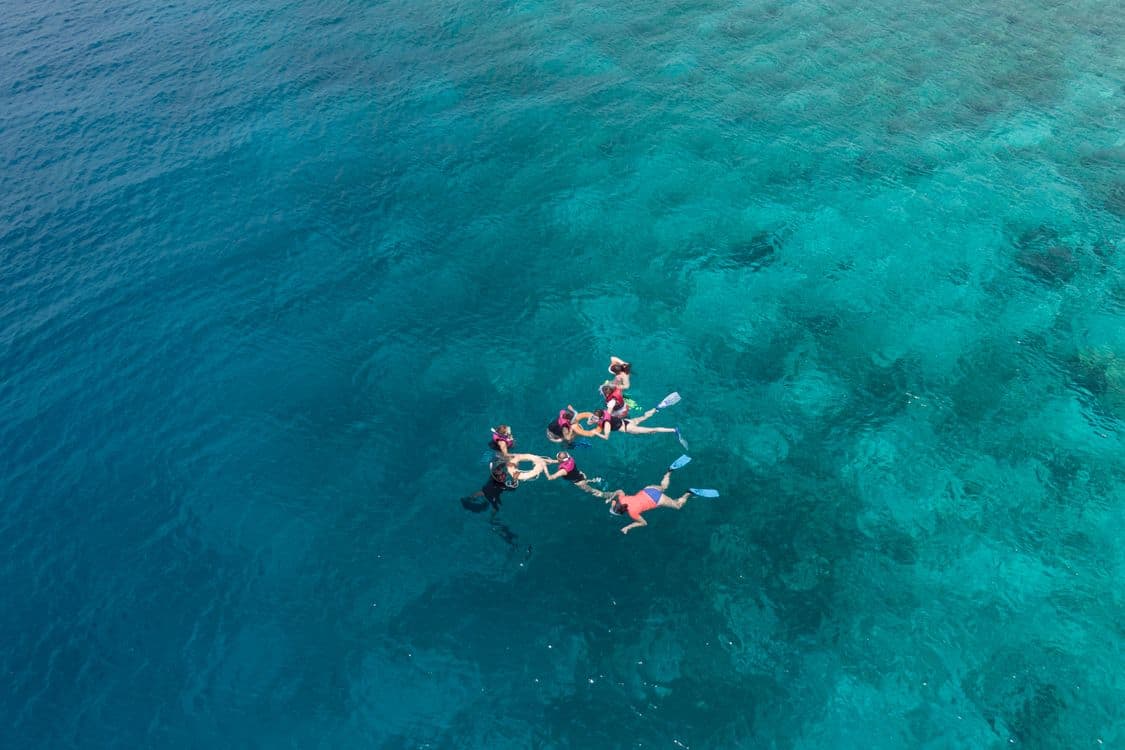
The disparity between residents and visitors is stark. According to the Snorkel Safety Study, visitors to Hawaiʻi are ten times more likely than residents to drown while snorkeling, a gap that points to more than bad luck. Part of it is swimming ability, since many visitors are weaker swimmers than they assume in open ocean conditions that behave nothing like a hotel pool. Part of it may be the flight itself. Researchers are examining whether hours spent at cabin pressure equivalent to several thousand feet of elevation can alter the lungs in ways that lower the threshold for ROPE in the days immediately after arrival.
That last point is worth sitting with, because it cuts against the instinct of every excited traveler. The natural impulse is to book the snorkel tour for the first morning, before jet lag and the rest of the itinerary crowd it out. The emerging guidance suggests the opposite, that it may be prudent to wait several days after arriving by air before attempting a demanding snorkel. The body that stepped off the plane is not necessarily the body you want floating face-down over a reef.
The Kona coast complicates this in its own way. The leeward side of the Big Island is famously calm, with sheltered bays and gentle entries that make the water look forgiving. Calm water lowers people’s guard. A flat, glassy surface does not warn anyone about a condition that has nothing to do with waves and everything to do with breathing mechanics and cardiovascular load.
What Careful Operators Actually Do Differently
The research does not conclude that people should avoid snorkeling. It concludes that snorkeling is not the benign activity it is marketed as, and that the difference between a safe outing and a dangerous one often comes down to preparation and supervision. That is where the choice of how you get in the water starts to matter.
A thoughtful operation builds its entire routine around the failure modes the study identified, and small-group outfits such as Manta Ray Night Snorkel Kona are built around exactly that premise. Guests get a real briefing instead of a wave toward the ladder. Crew watch for the snorkeler who drifts out of position or goes still, because stillness is the warning sign that matters most. Group sizes stay small enough that a guide can actually track individuals rather than counting heads. Gear gets checked in shallow water before anyone commits to depth. And honest crews tell guests the uncomfortable truth, that shortness of breath is not something to push through but a signal to stop, stand if possible, clear the snorkel, and get out.
The simplest safeguards remain the oldest ones. Do not snorkel if you cannot swim. Never go out alone, because ROPE can incapacitate someone before they can help themselves, which makes a nearby buddy or attentive guide the difference between a scare and a fatality. Be honest with yourself about your heart. These sound obvious. The body of research from Hawaii suggests they are obvious in the way that seatbelts are obvious, which is to say widely known and routinely ignored until the moment they would have mattered.
The reef will still be there on day three of the trip. The case for treating a snorkel outing as something that warrants a capable, watchful crew and a little patience is no longer a matter of opinion. It is what the data has been quietly saying all along.