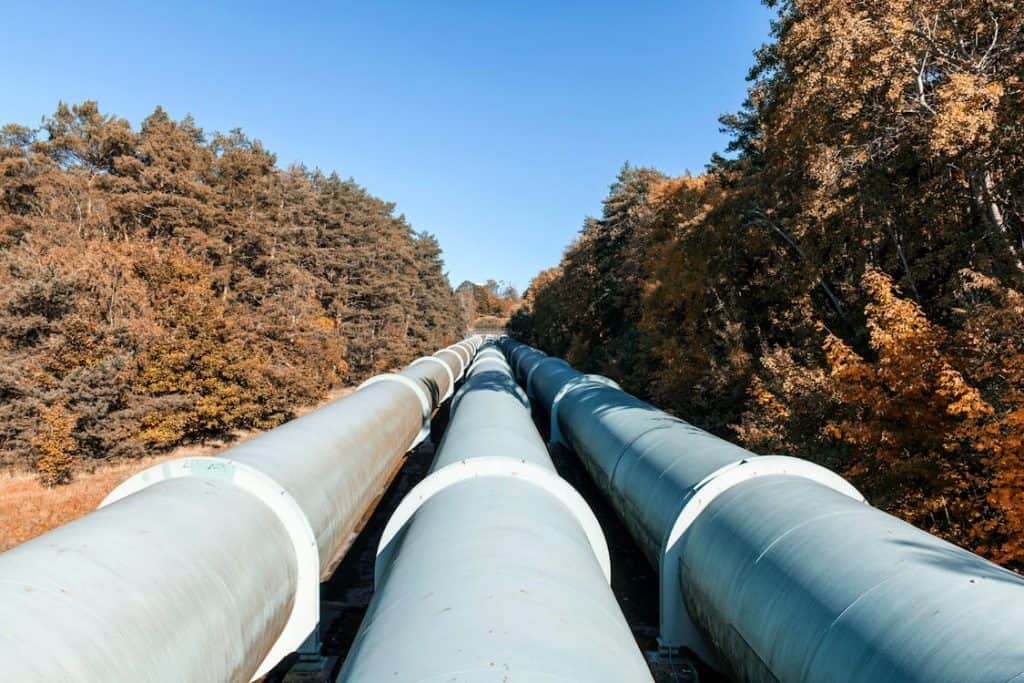
ERW pipe stands for Electric Resistance Welded pipe and it is a staple material in many sectors that use steel tubing for flow, support, or structure.
Its weld method produces a consistent seam and a straight length that suits repetitive tasks and mass production, which keeps cost per unit sensible for large runs.
Users pick ERW pipe for trade work that calls for predictable strength and straightforward joining, and the tube often shows up where familiarity and steady supply count.
Industrial Pipelines And Process Lines
ERW pipe finds frequent use in factory pipe runs where fluids and gases travel between process units and tanks, providing a balance of strength and cost that plant engineers appreciate.
Many process plants use these pipes for compressed air, cooling loops, and drainage because ERW product comes in standard sizes and is easy to couple with flanges, couplings and valves.
The straightness and repeatability of ERW lengths make installation faster, which keeps shutdown time short when lines need replacing or expanding. When pressure ranges are moderate and corrosion can be managed with coatings or internal linings, ERW is often the go to metal tube.
Oil And Gas Collection And Gathering
In oil field work, ERW pipe plays a role in onshore gathering lines and low pressure service where heavy wall seamless tube is not required, and cost control is a central aim.
Operators use ERW lengths to move produced water, natural gas under low pressure, and crude from wellheads to local processing pads, taking advantage of the product’s availability and the ease of welding to other fittings.
Where soil conditions or fluid chemistry call for protection, simple surface wraps, coatings or cathodic protection treat ERW pipe and extend service life. Installers who have cut their teeth on field welds tend to favor ERW because each joint is predictable and easy to handle on site.
Water Distribution And Municipal Work
Municipal systems often rely on ERW pipe for water mains, sewer mains and storm conduits in areas that need long runs of standardized tube at low cost. The pipe offers sufficient pressure handling for many public works designs and permits quick connection to hydrants, valves and service taps using well known fittings.
Towns and utilities choose ERW when they want a reliable routine product that local crews know how to work with and repair, which keeps repair times short when leaks or breaks occur. Protective coatings and interior linings help the same ERW stock last far longer than raw steel would under wet conditions.
Structural And Mechanical Uses
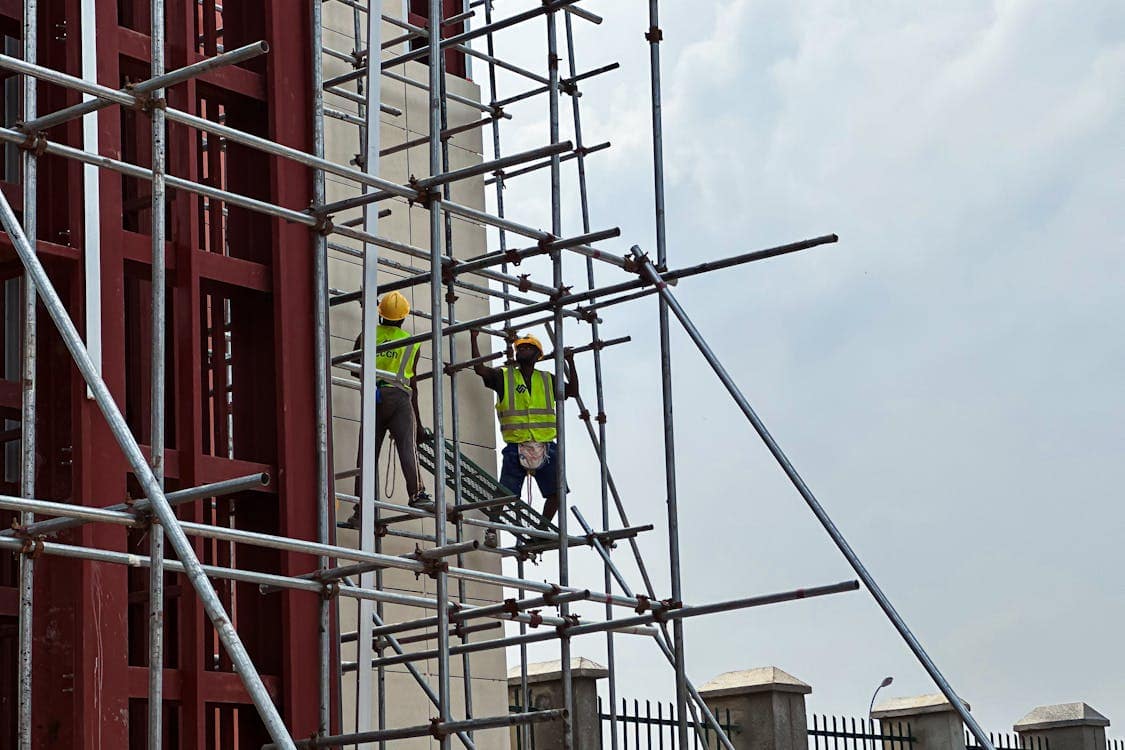
Beyond flow related tasks, ERW pipe is a common choice for structural members in light and medium load frames where round tube is desired for its geometry and ease of fabrication.
Farms and factories use ERW tube for handrails, supports, scaffolding and frames because the tubing cuts, bends and joins with ordinary shop tools, and the seam is not a problem for non critical load paths.
Designers often use ERW for furniture grade elements, guard rails and sign posts where uniform diameter and surface finish help the final look. In many cases a coat of paint or galvanic finish protects the metal and allows the same basic tube to do duty outdoors for years.
Agricultural And Irrigation Systems
ERW pipe turns up in agricultural settings for irrigation mains, pivot system supports and greenhouse frameworks, where long lengths and repeatable joints cut labor time in the field.
Growers like ERW because it is easier to source and replace than some specialty tubes, and because the straight runs of pipe work well with modular sprinkler heads and valves.
When water quality is rough, simple internal linings or external wraps can reduce corrosion and keep the system functional through the seasons. The result is a solid, cost effective channel for water and structural needs that does not break the farm budget.
Mechanical Conveyance And HVAC Ducting
In mechanical systems ERW pipe is useful for conveying air, steam condensate and non hazardous solids when circular ducting is needed and structural support is a factor.
Many HVAC installers adapt ERW tube for custom chases and stack work where round shapes flow easier and resist bending forces better than flat shapes, and the smooth ID helps flow.
For steam and hydronic loops under mild to moderate pressure, ERW offers a sensible compromise between welded custom work and expensive seamless tubing. When installed with correct slope, hangers and insulation, ERW piping can run quietly and keep thermal losses low.
Specialty Uses And Fabrication Shops
Small shops and fabricators lean on ERW pipe for everything from railings to prototype frames because the tube machines well, bends predictably and accepts threaded fittings or welded tabs with ease.
Its surface finish and dimensional regularity let designers create jigs, tooling frames and custom racks without spending time chasing odd diameters or mismatched lengths.
For one off builds where schedule matters and cost cannot blow up, ERW provides a steady option that shops can cut and weld with equipment already on hand. Often the result is a clean looking assembly that performs reliably while keeping the budget in check.