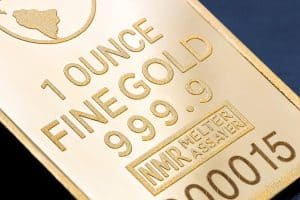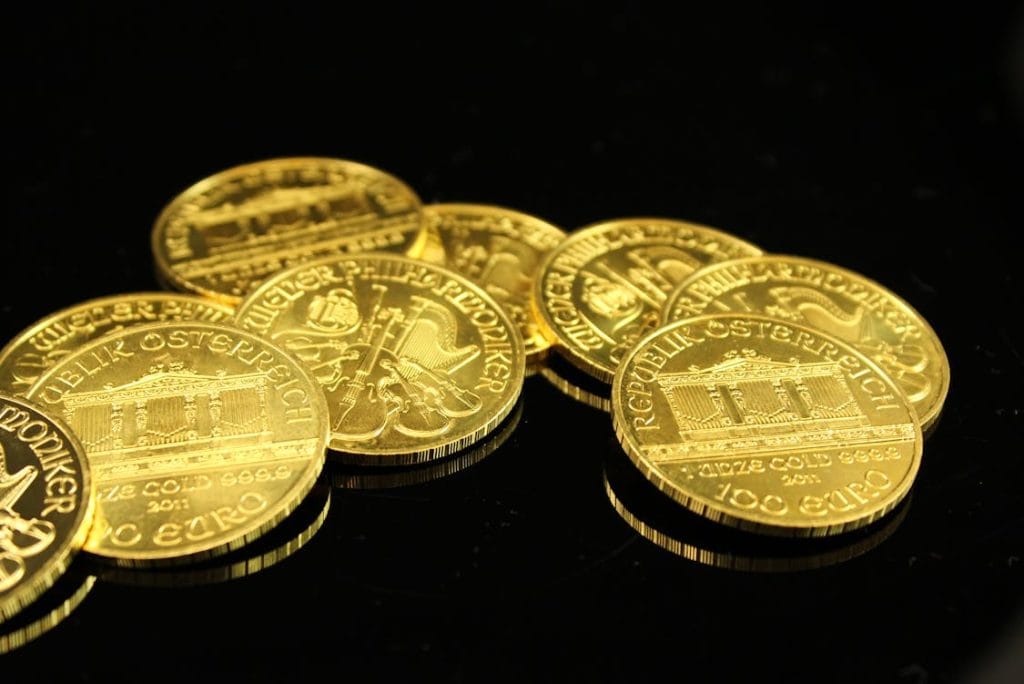
Gold has served as money, ornament and a quiet hedge for generations, so it helps to know what those tiny marks on a ring or the numbers on a bar mean.
Learning how karats relate to purity and how purity ties into market value keeps surprises to a minimum and gives you an edge whether you buy for pleasure or profit. The basics are straightforward yet there are little twists that matter when prices move or when alloy metals change color.
How Karats Measure Gold Purity
A karat is a unit that tells you how much of an item is gold compared with other metals in the piece. Pure gold is defined as 24 karat which equals twenty four parts gold out of twenty four total, so anything lower has alloy metal mixed in to add strength or alter hue.
Jewelers and buyers speak of 18 karat, 14 karat and 10 karat commonly and each step down reduces the gold content in a predictable way. When you hear karat numbers, think ratio first and color, hardness and price will follow.
Converting Karats To Percent And Fineness
Translating karat into a percentage makes price math far easier to do in your head or on a calculator. For example 18 karat gold contains eighteen parts gold divided by twenty four which gives seventy five percent pure gold, while 14 karat gives fifty eight point three repeating percent.
The term fineness appears in some markets and it records purity out of one thousand so nine hundred ninety nine is nearly pure, nine hundred twenty five corresponds to common sterling style standards for silver inspired gold alloys.
Once you can flip among karat percent and fineness the numbers on a certificate start to feel less mysterious.
Why Alloys Change Color And Strength
Pure gold has a deep warm yellow that is soft enough to bend under pressure, so alloy metals get added to avoid scratches and dents.
Copper will push the tone toward red and increase hardness while silver or palladium can give paler hues and different wear characteristics; the balance of metals defines both look and lifespan.
Some alloys are used for cultural or design reasons and others to help pieces survive daily wear, so a ring meant for everyday use often contains a higher percentage of harder metals. Keep in mind that the metal mix also changes how a piece responds to cleaning agents and repair work.
Hallmarks And How Assays Work
A hallmark is a tiny stamp that often shows karat or fineness and sometimes an assay office mark confirming tested purity. Assay methods range from simple acid tests through to X ray fluorescence and fire assay; each method has trade offs in speed accuracy and invasiveness.
For small purchases a reputable hallmark and a trusted seller reduce the odds of surprises, while collectors and investors may opt for third party certification to record exact fineness.
When you can read a hallmark and know which assay method was used you have a clearer picture of what you actually own. Finding a certified dealer is one of the best ways to ensure you choose the best place to buy gold.
Spot Price Versus Retail And Scrap Values
Spot price is the raw market quote per troy ounce for pure bullion and it moves constantly during trading hours as traders buy and sell. Retail pieces add fabrication costs design premiums and retailer margins so a necklace or ring will rarely sell at spot unless it is stripped for components.
Scrap or melt value calculates the pure gold content in a weighted item then multiplies by spot, minus processing and refining expenses; that number can be surprisingly different from what a store asks at the counter. Learning the spread between spot retail and scrap helps you judge bargains and offers that are fair.
How Weight And Form Affect Value
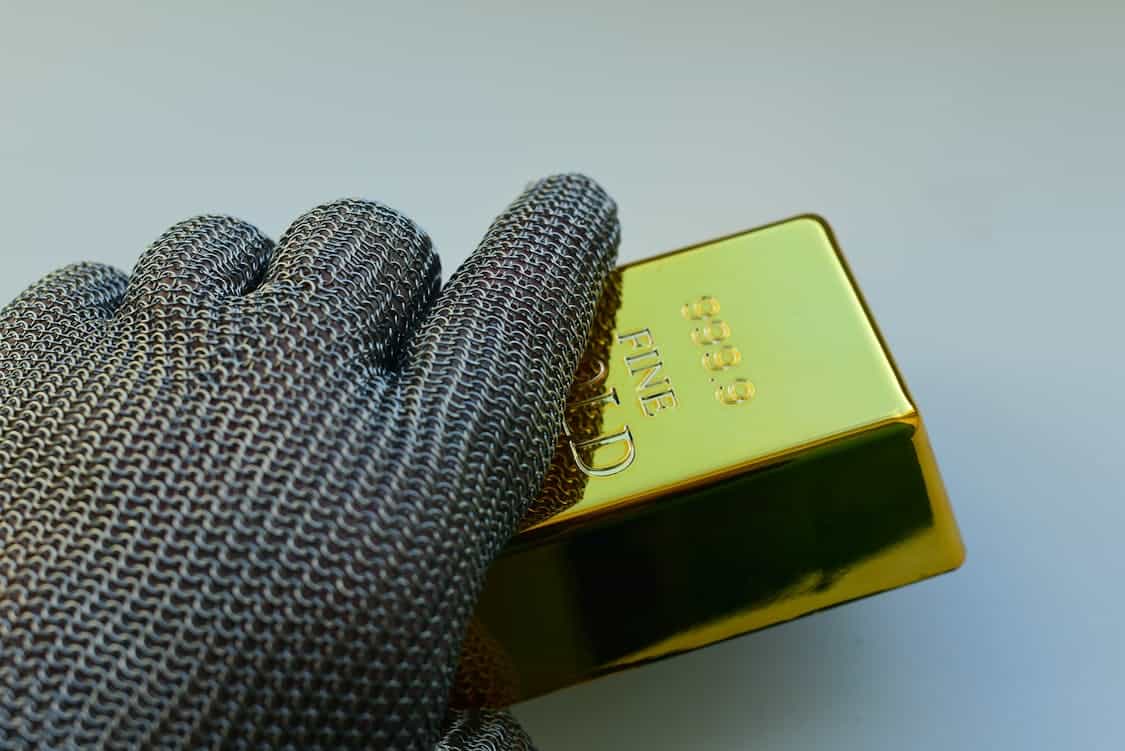
Gold value is always tied to weight which is usually recorded in troy ounces grams or pennyweights depending on where you live and what you buy.
Smaller items carry higher relative premiums because labor and packaging costs do not shrink in line with weight, so a tiny coin or charm will cost more per gram than a large bar.
Form also matters because coins from well known mints or items with collectible value trade at added premiums over raw bullion of equivalent weight. When buying compare price per gram or per ounce and factor in any numismatic or novelty premium.
Market Drivers And Seasonal Trends
Price direction in the gold market follows a blend of demand factors and macroeconomic signals such as interest rates inflation worries and currency moves.
Safe haven demand can spike when political or financial stress enters headlines while higher yields and a strong currency can cool appetite for precious metal exposure.
Jewelry demand also fluctuates with seasons and festivals in various parts of the world which creates predictable buying windows for some regions. Traders watch data and events but long term holders often focus on broad patterns more than daily swings.
Tips For Buying Coins And Bars
When you shop for coins and bars focus on reputable dealers who offer clear purity and weight statements and visible buy back terms. Certified coins in sealed packaging and bars from recognized refiners reduce counterparty risk and make resale easier in many markets.
Compare spot plus premium across a few sources and ask about shipping insurance return policies and authentication options before you pay. A calm approach and a checklist beat impulse purchases every time.
Selling Strategies For Jewelry And Bullion
If you sell jewelry know the distinction between market scrap and collectible value because a sentimental or designer piece could fetch far more from a private buyer than from a refinery.
For bullion compare offers from local dealers online platforms and auction houses and include fees shipping and assay costs when you tally net proceeds.
Timing sales near peak local demand or when spot price is strong can improve outcomes, yet smaller sellers often balance timing with convenience. Keep receipts certificates and provenance where possible because paperwork can nudge a price upward.