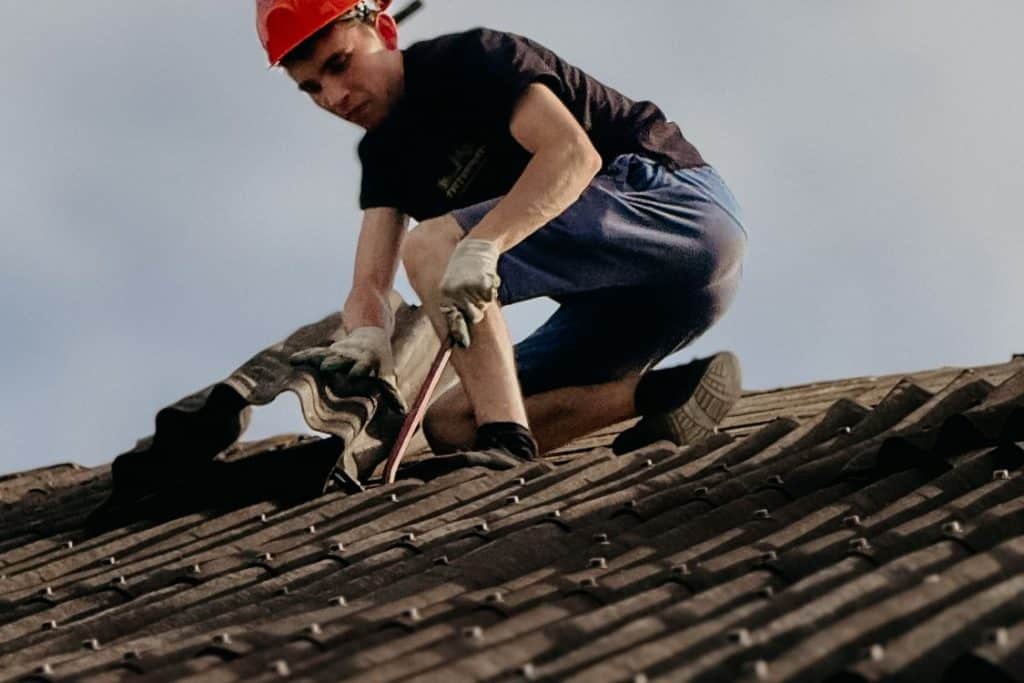
If older roofers retiring is one half of the GTA’s labour story, the other half is that not enough young people are stepping in to replace them. The data on that is sobering, and it shows up directly in how long a homeowner waits for quality work and how much it costs.
A trade cannot maintain its depth of skill if the inflow of new workers falls while the outflow of retirees rises. That is roughly what has been happening, and roofing competes for talent against every other trade facing the same squeeze.
The pipeline problem
National figures show the number of youth aged 15 to 24 working in the trades fell by 12.2% between 2016 and 2021, even as demand for skilled construction labour kept climbing.
Years of steering young people toward university over apprenticeship left a thinner pipeline than the industry needs. The cultural default treated the trades as a fallback rather than a career, and the workforce numbers now reflect that choice. Roofing, one of the more demanding trades, has felt it as much as any.
Why it concentrates quality at the top
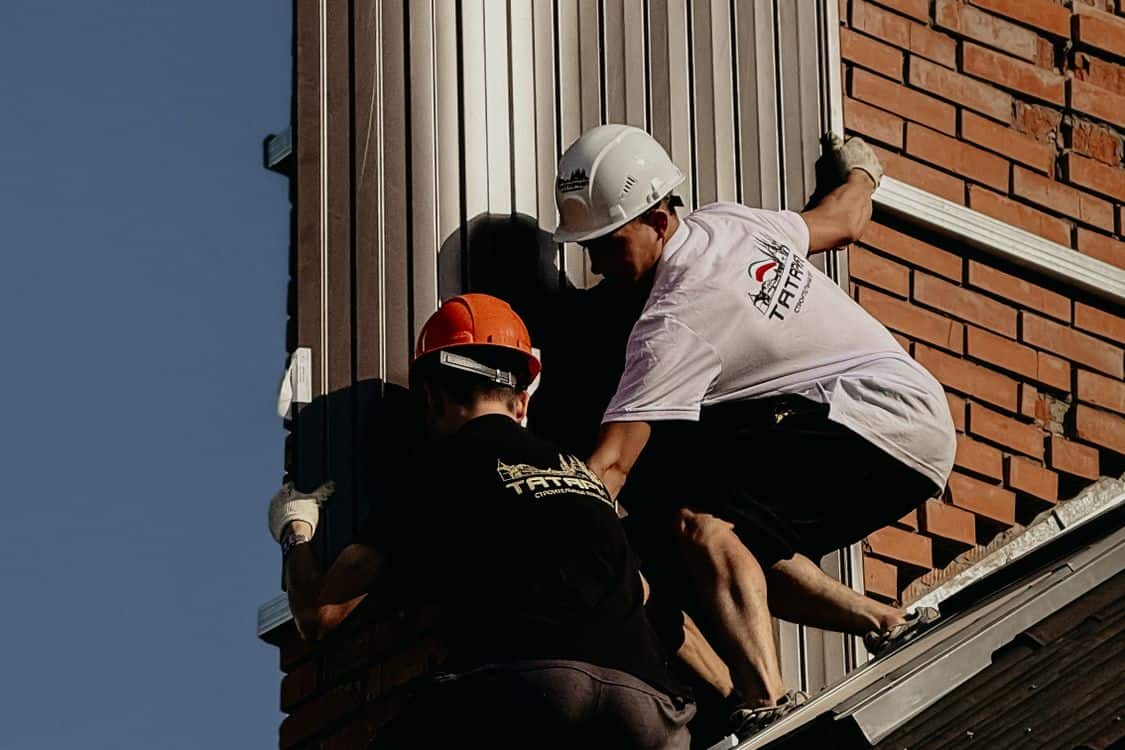
When fewer skilled workers enter a trade, experience concentrates in the established firms that can train, retain, and pay them. Those companies can offer the steady work, mentorship, and wages that attract and keep the limited supply of capable young roofers.
The casual operators, by contrast, end up staffing jobs with whoever is available, which in a thin market often means undertrained labour. The gap between those two kinds of company widens as the talent shortage deepens, and for a roof, that gap is the difference between a job that lasts decades and one that needs attention in a few years.
The homeowner’s takeaway
A thin labour pipeline is not something a homeowner can solve, but it does sharpen how they should choose. The value of an established crew with a stable, trained team rises precisely when skilled workers are scarce, because such firms can still field people who actually know how to inspect, diagnose, and build a roof properly.
This is why the smart move is to prioritize firms with a real bench and a verifiable track record, rather than a crew cobbled together for one busy season and gone by the next. The depth of a company’s team is one of the more reliable predictors of how its roofs hold up over time.
Stability shows up in the finished roof
The throughline of the labour story is that stability and experience are not abstract virtues; they are visible in the work. A company that retains its people accumulates institutional knowledge about Toronto’s housing stock, its weather, and the failure modes specific to this climate.
That knowledge is what a homeowner is really buying. In a trade where the pipeline of new talent has thinned, the firms that built and kept a skilled team are the ones most likely to leave you with a roof that does its job quietly for twenty or thirty years, which is, after all, the entire point.