If you buy stainless steel, you are really buying nickel whether you think about it that way or not. And the price of nickel has spent the past two years lurching between extremes for reasons that have almost nothing to do with stainless demand and almost everything to do with one country.
That disconnect is worth understanding, because it explains why a plate buyer’s costs can move sharply even when their own market is quiet.
One country sets the tone for the whole metal
Indonesia now accounts for roughly 60 percent of global nickel output, up from less than a third just a few years ago. When its government adjusts mining quotas, the entire market reacts.
The recent history reads like a seesaw. Nickel slid to multi-year lows on persistent oversupply, then spiked when Indonesia signalled it would cut ore production quotas by around a third, before settling again.
The latest twist is a forecast turn from glut to shortage. According to industry data reported by MEPS International, the International Nickel Study Group projects the first supply deficit since 2021 for the metal, a sharp reversal after years of surplus.
For stainless buyers, the direction of travel matters more than any single print. A market that flips from oversupply to deficit is a market where surcharges are about to climb.
How the price reaches the plate
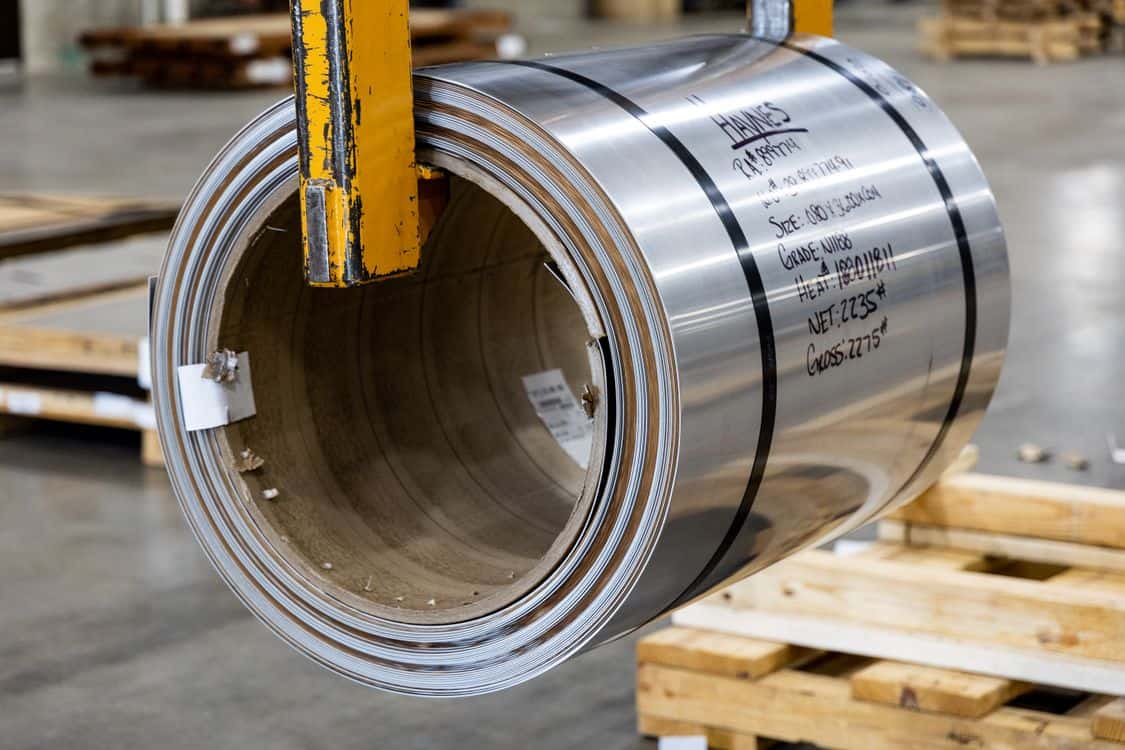
The mechanism that carries nickel’s volatility onto an invoice is the alloy surcharge. Most stainless is sold as a base price plus a surcharge that tracks the cost of nickel, chromium, and other inputs, recalculated regularly.
That structure means a plate buyer feels nickel’s swings almost in real time, even when the underlying base price of the steel barely moves.
The 300-series grades feel it most because they carry the most nickel. A 304 stainless steel plate contains roughly eight percent nickel, which is exactly why its surcharge is so sensitive to what happens on the London Metal Exchange.
This is not a flaw in the material. The nickel is what gives austenitic stainless its corrosion resistance, formability, and weldability, the very properties that make it the default choice across food processing, architecture, and general fabrication.
But it does mean that buyers of these grades are exposed to a commodity market shaped by mining policy on the other side of the world.
What buyers can actually do about it
The volatility is not going away, so the practical response is to manage exposure rather than wish it gone.
That starts with watching the right signals. Indonesian quota announcements, LME inventory levels, and study-group supply forecasts are leading indicators of where surcharges are heading, and they are public.
It also means thinking carefully about contract structure. Tying a surcharge to a monthly average with sensible caps and floors protects against the worst whipsaws, while a fixed surcharge can quietly subsidize a supplier when the market runs.
For some applications, grade selection is a lever too. Where a project does not strictly need the corrosion performance of a high-nickel austenitic grade, lower-nickel alternatives can blunt the exposure, though that trade-off has to be made on engineering grounds, not price alone.
None of this eliminates the nickel risk baked into stainless. But buyers who understand that their plate price is really a bet on Indonesian mining policy tend to be far better prepared when the next swing arrives.