Many households feel the sting of high cooling bills when summer rolls around, yet a few targeted improvements can shrink those costs while boosting comfort. Small investments that reduce wasted energy often pay for themselves in a season or two, and they help equipment run longer without strain.
These upgrades range from low cost fixes to modest equipment changes that work well together, so each step stacks for added savings.
1. Install A Programmable Or Smart Thermostat
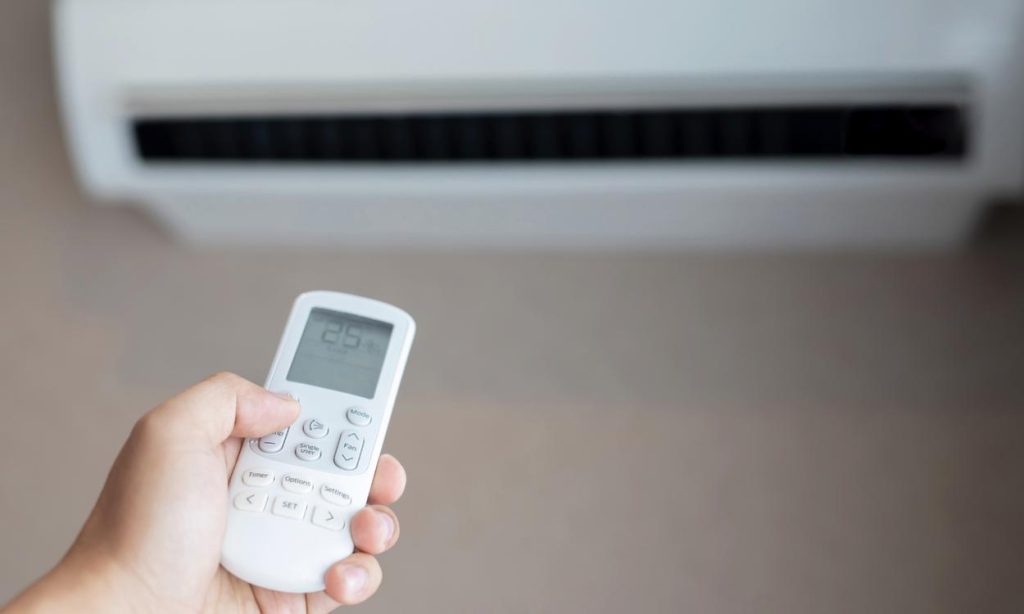
A programmable or smart thermostat gives control over temperature settings at different times of the day, cutting run time when the house is empty and bringing comfort back before people return.
Modern units learn patterns and adjust schedules without constant tweaking, which lowers bills and reduces wear on the compressor.
Many models pair with apps so adjustments are possible from anywhere, preventing wasted cooling when plans change at the last minute. For people who like to tinker, smart thermostats offer energy reports that reveal where savings are hiding.
Upfront cost varies by model and by whether a professional is needed for a clean install, but rebates from local utilities often reduce the sticker price and shorten the payback period.
Installation can be a quick afternoon project for someone comfortable with wiring, and a pro will ensure compatibility and safety where older systems are in place.
For complex setups, consulting top HVAC experts ensures the thermostat integrates perfectly with your system and delivers optimal savings
Over the course of a cooling season the improved scheduling often slices energy use, helping to tighten the household budget without sacrificing comfort. With a little setup the thermostat will take the heavy lifting and let occupants enjoy a cooler house at a lower cost.
2. Seal Air Leaks And Improve Insulation
Air leaks around windows, doors and duct connections create an invisible tax on any cooling system because conditioned air slips out and hot air sneaks in. Sealing gaps with caulk and weather stripping and improving attic insulation reduces the workload on the air conditioner and keeps indoor temperatures steadier.
Ductwork that runs through unconditioned space should be sealed at joints and supported to prevent sagging and leaks, so conditioned air reaches rooms instead of being lost in crawl spaces. Those fixes are often low cost and they compound well with other measures.
Home energy audits reveal the biggest weak spots, and many utilities offer subsidized audits to help prioritize repairs, making it easier to decide where to spend.
Adding insulation or sealing ducts can be handled by a handy homeowner or by a contractor when access is limited, and the reduction in runtime usually shows up as lower monthly bills.
By tightening the envelope, the air conditioner works smarter rather than harder, and that extends equipment life while cutting energy use. It is a case of small leaks creating big losses and simple fixes turning the tide.
3. Upgrade Air Filters And Improve Maintenance Habits
A clean filter helps air flow freely through the system so the unit cycles less often and maintains set temperatures without strain on the blower motor.
Replacing standard filters with higher MERV but still HVAC friendly types traps more particles and keeps coils cleaner, which improves heat transfer and efficiency.
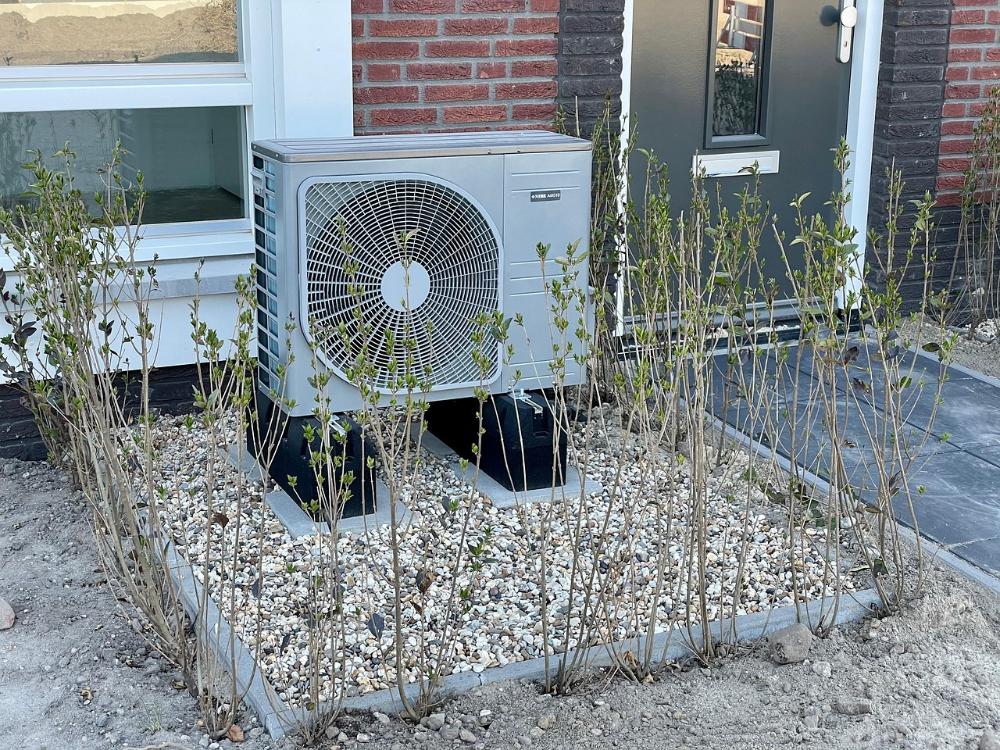
Routine checks of drain lines, condensate pans and outdoor unit clearances prevent common fail points that can reduce performance and provoke emergency repairs. A little attention on a monthly basis keeps the system humming and avoids paying for fixes that could have been prevented.
Professional tune ups before the cooling season find issues like low refrigerant levels and worn belts while also topping up lubrication and checking electrical connections for safety.
Many providers offer maintenance plans that spread cost across the year and often include priority service during peak demand, which takes the stress out of sudden breakdowns.
Doing simple tasks between visits such as changing filters and clearing debris from around the outdoor unit pays off quickly through more stable performance. Routine care is not glamorous but it is a reliable way to lower bills and keep comfort steady.
4. Swap To A Higher Efficiency Fan Or Upgrade The Air Handler
The blower in the air handler moves conditioned air through the house and a more efficient motor translates directly into savings, especially in systems that run for long periods.
Replacing an old single speed motor with a variable speed motor increases control over airflow and reduces short cycling, which helps maintain steady temperatures and reduces energy spikes.
Variable speed equipment matches output to demand so the system runs longer at lower power draw, which often results in quieter operation and gentler humidity control. That change can reduce peak loads and improve comfort in rooms that were previously drafty or over cooled.
An upgrade to the air handler may require a contractor to confirm compatibility with the outdoor unit and to perform controls programming so the system works as intended.
While the initial price tag is higher than simple upkeep, the combined benefits of reduced electricity use and lengthened equipment life often justify the expense over time.
For households with older systems that struggle on hot days, investing in better internal components can be the difference between frequent repairs and steady service. The key idea is to let the system breathe and flow without forcing it to run flat out all the time.
5. Improve Airflow With Fans And Better Vent Placement
Ceiling fans and whole house fans move cooled air around and create a perception of lower temperature so thermostats can be set a touch higher without discomfort.
Using fans in occupied rooms directs cool air where it is needed while running the AC at a milder setting, which reduces compressor runtime and energy use.
Balancing vents so supply is focused in living spaces and reducing blow in unused rooms helps the system do more useful work for less energy. Simple changes like pointing fans to create cross breeze or opening dampers strategically can yield immediate improvements.
Upgrades that improve vent placement, add return pathways and correct static pressure help the system distribute conditioned air more evenly and reduce hot spots that trigger longer run cycles.
Duct runs that are too long or subject to crush points should be corrected so flow is not choked off, and adjustable registers let occupants fine tune delivery to occupied areas.
Small investments in airflow components yield outsized comfort returns, allowing households to cut cooling time without feeling pinched. When the air moves smoothly the house cools more evenly and the meter tells a happier story.